Yoga Pilates Mat Buying Guide: 5 Best Picks for Home Practice
We may earn a commission for purchases made using our links. Please see our disclosure to learn more.
A good mat should help you focus on the movement, not on sliding hands, sore knees, or a surface that bunches beneath you. Choosing a yoga pilates mat gets tricky because yoga often rewards firm stability and dependable grip, while Pilates can feel better with extra cushioning for the spine, hips, elbows, and knees.
If your routine mixes yoga flows, mat Pilates, stretching, and mobility work, the best choice is usually a thoughtful compromise rather than the thickest mat on the shelf. This guide explains thickness, grip, materials, size, care, and five products suited to different needs. By the end, you should know which features deserve your money and which ones you can safely skip.
What Makes a Yoga Pilates Mat Unique?
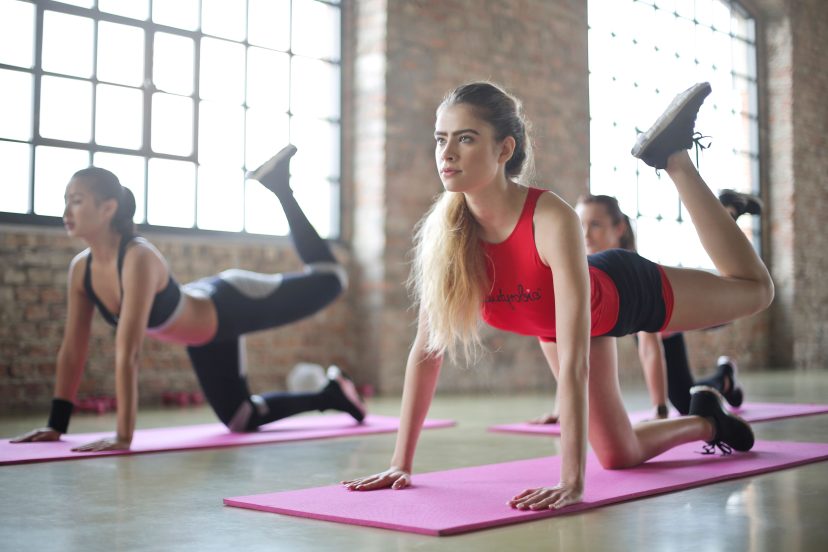
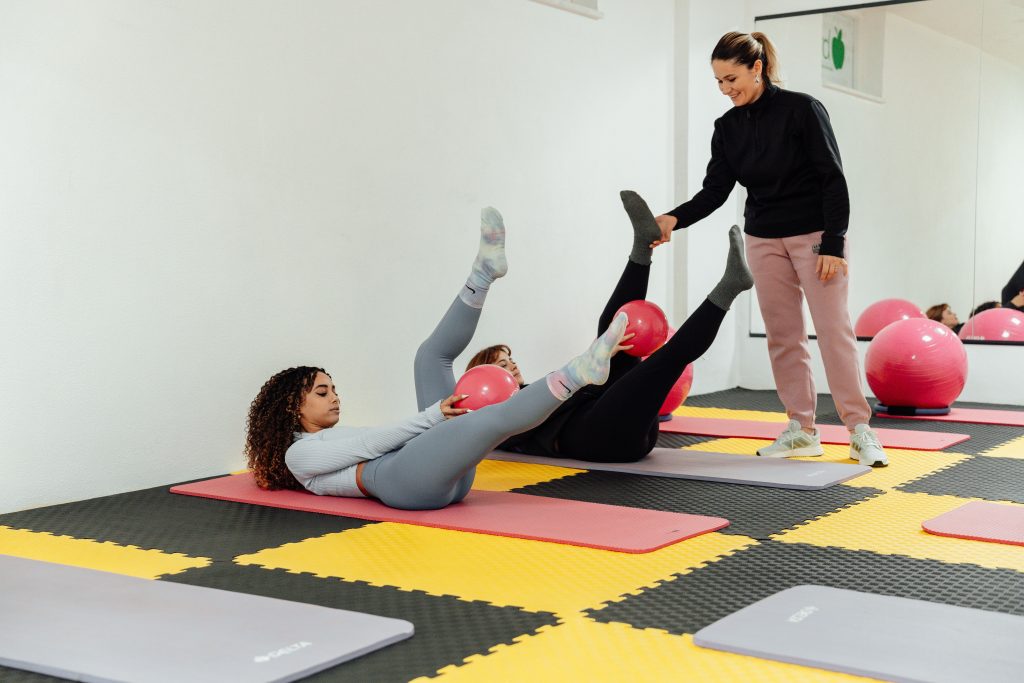
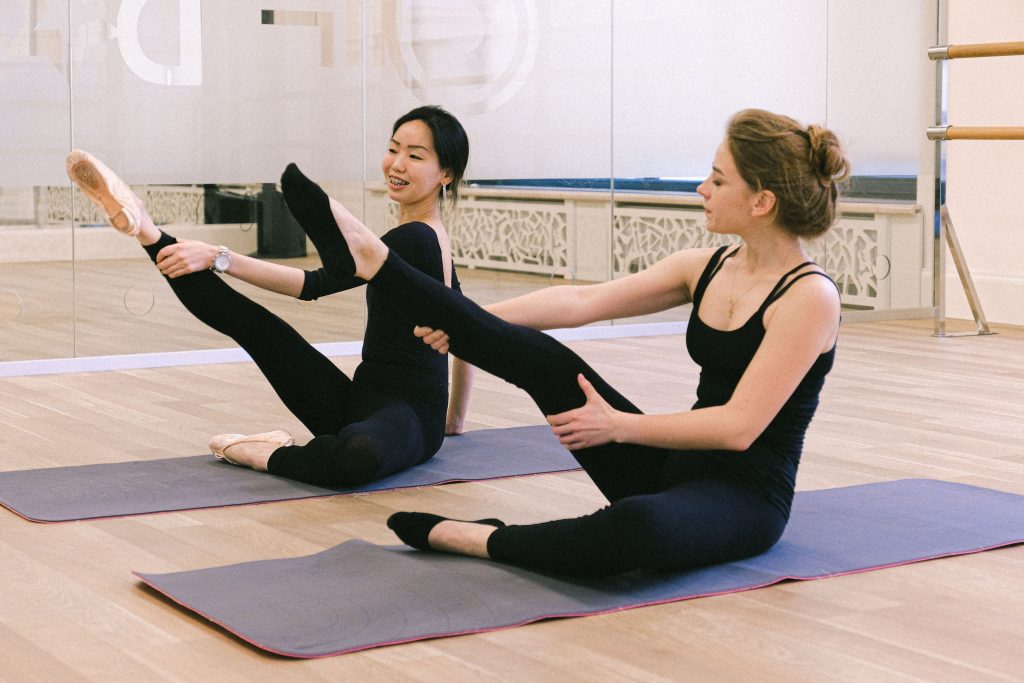
A yoga pilates mat is not a separate technical category; it simply needs to work well for both practices. Yoga usually favors a firm surface for standing poses, while Pilates includes more kneeling, side-lying, supine, and rolling movements.
For mixed use, seek enough cushioning for floor work without creating an unstable platform. Let your flooring, sweat level, joint sensitivity, and workout style guide the choice.
Start With Your Main Practice: Yoga, Pilates, or Both
Picture a normal week before comparing brands. If you mostly practice vinyasa, balances, planks, or hot yoga, put grip and stability first. If Pilates, stretching, and mobility dominate, cushioning matters more because your body spends longer on the floor.
For a 50/50 routine, a dense yoga pilates mat in the middle of the thickness range is usually the most useful compromise.
What is the ideal thickness of a Pilates or Yoga mat?
Thickness changes comfort and floor feedback. REI notes that about 1/8 inch, or 3.175 mm, is a common yoga thickness; thinner mats can improve stability, while thicker mats add cushioning.
For mixed practice, roughly 4–6 mm is a practical starting point, not a rule. A one-inch mat may feel excellent for Pilates on hard floors but less planted during demanding balances.
Grip Matters More Than “Softness”
A mat can feel plush yet frustrate you when your palms creep forward in downward dog. Top-surface grip matters, while traction underneath keeps the mat from shifting.
Sweaty or faster yoga makes traction especially important. Pilates puts less sustained load through hands and feet, but slipping still disrupts planks and transitions. When comparing a yoga pilates mat, value secure contact over a luxurious first touch.
Materials: PVC, Rubber, TPE, and Polyurethane
PVC can provide a dense, durable surface. Natural rubber often offers strong traction, though it tends to weigh more and may smell rubbery at first.
TPE and foam are often lighter and cushier, while polyurethane commonly appears as a grippy layer over rubber. If you have a latex allergy, check materials carefully; JadeYoga specifically says people with latex allergies should avoid its natural-rubber mats.
Size, Weight, and Storage Matter at Home
A standard-width mat may suit yoga, yet Pilates movements can send arms or legs beyond the edges. Taller users may appreciate extra length. Liforme’s Classic, for example, measures 185 by 68 cm, about 72.8 by 26.8 inches.
Also consider storage. A heavier yoga pilates mat is fine in a workout corner, while commuters may prefer lighter weight and a strap.
Best Yoga Pilates Mat Picks for Different Needs
These recommendations serve different priorities rather than pretending one mat is perfect for everyone.
Manduka PROlite Yoga Mat 4.7mm | Lifetime Durability | Hygienic Construction | Teacher Approved
Best for: Regular yoga-heavy mixed practice
The PROlite uses a dense 4.7 mm PVC construction with a closed-cell surface and floor-gripping dot pattern. Its standard size is 71 by 24 inches, giving regular practitioners a firm, durable-feeling base that still has moderate cushioning. However, Manduka notes that its closed-cell surface may feel slick for people who sweat heavily.
Gaiam Essentials 1/4″ Thin (6mm) Yoga & Pilates, Fitness & Exercise Mat with Easy-Cinch Carrier Strap Cusion Support For Fitness and Gym Workouts
Best for: Budget-conscious beginners
This 6 mm mat provides more cushioning than many standard yoga mats and uses a textured, “sticky” surface intended to help users stay grounded. It also comes with a carrying sling, which is handy for classes or compact storage. The extra softness suits beginners and mixed floor work, though balance-focused yogis may prefer a firmer surface.
JadeYoga Harmony Yoga Mat – Durable & Thick Gym Fitness Mat, Non-Slip Natural Rubber Yoga Mat – Home Exercise & Stretching Mat, Workout Mat – Yoga, Pilates & Meditation for Women & Men
Best for: Grip and natural-rubber preference
The Harmony uses natural rubber and measures 3/16 inch thick, with 68- and 74-inch lengths available. Its grippy surface and moderate cushioning make it well suited to yoga-heavy routines that still include Pilates or stretching. At about five pounds, it is not especially light, and people with latex allergies should choose another material.
Liforme Classic Yoga Mat – Patented Alignment Design, Ultimate Grip | Eco-friendly, Non-Toxic, Sweat-Resistant, long, wide, 4.2mm thick mat for comfort, recommended for Hot Yoga, Free Yoga Bag
Best for: Alignment guidance and sweaty practice
Liforme’s Classic combines a natural-rubber base with a polyurethane top, alignment markers, and a 4.2 mm profile. At 185 by 68 cm, it offers more room than many standard mats, and a bag is included. Its moisture-responsive grip suits active practice, but the roughly 2.5 kg weight and premium positioning make it less appealing for casual users.
Retrospec Solana Yoga Mat 1″ Thick w/Nylon Strap for Men & Women – Non Slip Exercise Mat for Home Yoga, Pilates, Stretching, Floor & Fitness Workouts
Best for: Maximum cushioning on hard floors
The Solana is 72 by 24 inches and a full one inch thick, using dense foam with a ribbed surface and included carrying strap. That generous padding makes it especially appealing for Pilates, stretching, and floor exercises on tile or hardwood. The tradeoff is stability: such thick cushioning is less ideal for balance-heavy yoga than a firmer, thinner mat.
Quick Comparison of the Recommended Mats
| Product | Thickness | Main material | Best fit |
| Manduka PROlite | 4.7 mm | PVC | Durable, yoga-heavy mixed practice |
| Gaiam Essentials | 6 mm | Foam | Beginners and value |
| JadeYoga Harmony | 3/16 in. | Natural rubber | Strong grip |
| Liforme Classic | 4.2 mm | Rubber + polyurethane | Alignment and sweaty yoga |
| Retrospec Solana | 1 in. | Foam | Pilates and hard floors |
If you want one yoga pilates mat for varied workouts, the Manduka, Gaiam, Jade, and Liforme options sit closer to the yoga-friendly middle. The Solana makes more sense when floor comfort clearly outranks standing-balance performance.
What Research Says About Yoga, Pilates, Comfort, and Safety
Research supports yoga and Pilates as exercise, but it does not establish one ideal mat thickness or material for everyone.
The U.S. National Center for Complementary and Integrative Health says yoga may support stress management, emotional health, sleep, and balance. Its summary cites a 2020 review of 12 studies involving 672 adults that found beneficial effects on perceived stress. NCCIH also identifies sprains and strains as the most common yoga injuries and recommends proper instruction and modifications. See its Yoga: Effectiveness and Safety guidance.
A 2022 systematic review of 11 randomized studies found low- to very-low-certainty evidence of no clear difference between Pilates and other exercise types for strength, balance, or flexibility. That makes sweeping superiority claims hard to justify. Read the peer-reviewed Heliyon review.
Controlled research comparing consumer mat thicknesses is limited. Treat REI’s yoga mat selection advice as practical expert guidance, not clinical evidence.
How to Choose for Sensitive Knees or Hard Floors
If kneeling bothers you, compare cushioning and density rather than thickness alone. A dense 5–6 mm yoga pilates mat can soften contact while keeping you reasonably connected to the floor.
For Pilates-heavy routines on tile or concrete, thicker foam may feel better. If you also practice balances, consider a folded towel or knee pad instead of making the whole mat extremely soft.
How to Keep Your Mat Clean and Lasting Longer
Follow the manufacturer’s care instructions because materials respond differently to cleaners and sunlight. Retrospec recommends gentle soap and water for the Solana and says not to submerge it; Liforme advises drying its mat flat, away from direct sun.
Let a damp yoga pilates mat dry fully before rolling it. Regular cleaning also keeps a home workout area more pleasant.
Turn Your Mat Into a Habit Cue
A mat works best when it is easy to use. Store it where you can reach it without rearranging the room; reducing that small barrier can make a ten-minute stretch easier to start.
If you want more structure, a 30-day personal growth challenge can turn the mat into a visible cue for a repeatable movement habit. Choose a realistic frequency and build from consistency.
Common Buying Mistakes to Avoid
The biggest mistake is treating thickness as a quality score. More padding can improve floor comfort but reduce stability. Also, do not buy from photos alone; check dimensions, weight, and material.
“Non-slip” does not guarantee identical grip for every person. Sweat, cleaners, skin moisture, and wear affect feel. Most importantly, buy the yoga pilates mat for your real routine, not the routine you imagine doing months from now.
Yoga Pilates Mat FAQs
Is a yoga mat or Pilates mat thicker?
Pilates mats are often thicker because more exercises place the spine, hips, knees, or elbows against the floor. Yoga mats generally prioritize floor feedback and standing stability. If you do both, a medium-thickness yoga pilates mat can balance these needs, while Pilates-heavy users may prefer noticeably more cushioning.
Is 6 mm too thick for yoga and Pilates?
Not necessarily. Six millimeters can be a comfortable middle ground for mixed routines, especially on hard floors or for people who dislike very thin mats. However, extra cushioning changes how firmly your feet connect with the floor. If your practice includes challenging balances, compare density and stability rather than judging by thickness alone.
Can I practice Pilates and yoga on the same mat?
Yes. Many people can use one mat for both, especially when their Pilates work does not require heavy rolling or unusually thick padding. Choose a yoga pilates mat with secure traction, enough room for floor exercises, and cushioning that matches your flooring. A 4–6 mm mat is a sensible place to begin comparing options.
Which mat material is best if I sweat a lot?
Prioritize surface grip and the manufacturer’s care guidance rather than chasing one material label. Polyurethane-topped and natural-rubber mats are popular choices for traction, while some closed-cell PVC mats can feel slicker with heavy sweat. Manduka, for instance, suggests using a towel with its PRO series if perspiration affects grip.
How long should a yoga Pilates mat be?
Your mat should comfortably accommodate your height and the movements you perform. Many standard mats are around 68–72 inches long, but taller users may prefer longer versions. Pilates can also benefit from extra width because side-lying movements and arm positions take up space. Check actual dimensions before buying instead of relying on “standard” or “large” labels.
Final Recommendation: Choosing the Right Yoga Pilates Mat
The right yoga pilates mat should match the practice you actually do most often. For balanced mixed use, prioritize firm cushioning, dependable traction, enough length, and a thickness that does not make standing poses feel unstable. The Manduka PROlite is a sensible yoga-leaning all-rounder, while the Gaiam Essentials offers more cushioning at a beginner-friendly level. If grip matters most, the JadeYoga Harmony deserves a close look; for Pilates-heavy floor work, the Retrospec Solana provides far more padding.
Before buying, check the material, dimensions, weight, and cleaning instructions. Then choose the mat that removes friction from your routine—physically and practically—so it is easy to roll out and use consistently.