
Top 10 SMART Goal Planners
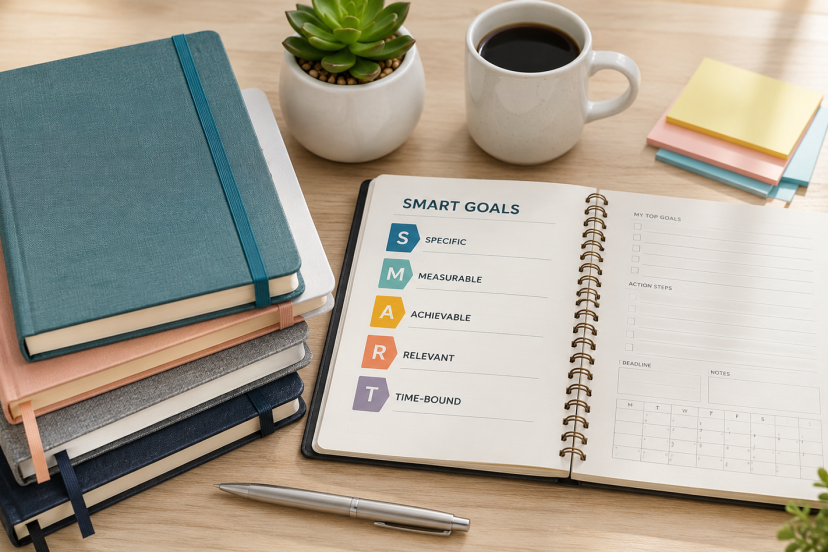
We may earn a commission for purchases made using our links. Please see our disclosure to learn more.
SMART Goal Planners turn broad ambitions into specific outcomes, measurable milestones, realistic actions, and deadlines. They suit professionals, students, entrepreneurs, and anyone tired of writing goals that disappear beneath ordinary to-do lists. The right format matters because a highly structured daily system can motivate one person and overwhelm another. We compared planning horizon, goal worksheets, review tools, portability, page quality, digital features, and overall value. We also considered whether each layout encourages reviews without forcing unnecessary complexity into your routine. These ten options cover annual planning, focused quarterly sprints, guided reflection, compact organization, and reusable paper.
| Product | Best for | Key feature | Main limitation | Price category | Overall recommendation |
| Clever Fox PRO 2nd Edition | Overall planning | Layered goals | Large footprint | Mid-range | Excellent all-rounder |
| Legend Planner PRO | Life balance | Self-discovery pages | Dense setup | Mid-range | Strong guided choice |
| Full Focus Planner | Professionals | Quarterly execution | Three-month lifespan | Premium | Best serious system |
| BestSelf Self Journal | Short sprints | 13-week roadmap | Daily time commitment | Premium | Excellent accountability |
| Rocketbook Panda Planner | Reusable planning | Cloud scanning | Special pens required | Mid-range | Best hybrid option |
| GoGirl Planner | Portability | Compact annual layout | Small writing spaces | Budget | Practical everyday pick |
| High Performance Planner | Reflection | Daily scorecards | Sixty-day coverage | Mid-range | Strong coaching format |
| Freedom Mastery Planner | Vision planning | Vision board system | Spiritual framing | Mid-range | Best for visualization |
| LAMARE Goal Journal | Simple tracking | Undated milestones | Limited scheduling | Budget | Good focused workbook |
| Intelligent Change Planner | Daily priorities | Time-boxed tasks | Three-month coverage | Premium | Best for focused work |
1. Clever Fox Planner PRO 2nd Edition — Best for Overall Goal Planning
Overview: This large undated planner connects yearly, quarterly, monthly, and weekly goals with everyday tasks.
Key Features: An 8.5-by-11-inch format, monthly calendars, weekly spreads, daily task sections, habit tracking, and vision exercises provide generous structure.
Pros: Spacious pages, flexible start date, broad life-planning coverage.
Cons: It occupies substantial desk and bag space.
Best For: Users managing several personal and professional goals.
Verdict: Its balanced combination of strategy and scheduling makes it the strongest general-purpose choice.

2. Legend Planner PRO — Best for Whole-Life Organization
Overview: Legend Planner PRO blends scheduling with self-discovery, goal mapping, habits, and reflection.
Key Features: Undated monthly and weekly layouts, long-term goal exercises, habit trackers, review pages, and a hardcover format support year-round planning.
Pros: Thorough prompts, attractive presentation, strong work-life perspective.
Cons: The opening exercises may feel lengthy to minimalist planners.
Best For: People who want goals connected to multiple life areas.
Verdict: It earns its place by helping users define priorities before filling calendars.

3. Full Focus Gray Linen Planner — Best Premium Option
Overview: Full Focus uses a guided three-month system to translate annual goals into weekly priorities and daily actions.
Key Features: Quarterly goal pages, monthly calendars, ideal-week planning, weekly previews, daily pages, and review routines create a disciplined workflow.
Pros: Clear hierarchy, professional design, detailed execution tools.
Cons: Covering a full year requires multiple planners.
Best For: Executives, business owners, and professionals with demanding schedules.
Verdict: The premium format is worthwhile for buyers who will consistently use its complete review process.

4. BestSelf Self Journal — Best for 13-Week Sprints
Overview: The Self Journal concentrates attention on a limited number of meaningful goals across thirteen weeks.
Key Features: Goal worksheets, a wall roadmap, daily time blocks, gratitude prompts, habit tracking, weekly reviews, and 110-gsm paper support focused execution.
Pros: Strong accountability, durable construction, detailed daily guidance.
Cons: Two-page daily planning requires commitment.
Best For: Users pursuing a launch, course, fitness milestone, or other quarterly outcome.
Verdict: It excels when a clear deadline and regular reflection matter more than annual scheduling.

5. Rocketbook Panda Planner — Best Reusable Option
Overview: This erasable planner combines Panda-style productivity templates with Rocketbook’s app-connected reusable pages.
Key Features: Undated daily, weekly, and monthly layouts, goal prompts, cloud scanning, a FriXion pen, and wipe-clean pages reduce paper replacement.
Pros: Reusable, digitally archivable, compact executive size.
Cons: Compatible erasable pens and drying time require adjustment.
Best For: Digital organizers who still think better by handwriting.
Verdict: It is the most practical specialized choice for combining paper planning with searchable digital storage.

6. GoGirl Planner — Best Compact Option
Overview: GoGirl compresses annual goal planning, monthly calendars, and weekly organization into a portable undated book.
Key Features: A 5.3-by-7.7-inch format, annual goals, mind mapping, monthly priorities, weekly spreads, habit tracking, and an elastic closure support mobile use.
Pros: Affordable, purse-friendly, approachable layout.
Cons: Compact pages limit detailed notes and large handwriting.
Best For: Students, commuters, and beginners who carry their planner daily.
Verdict: It offers unusually complete goal tools without the bulk of desk-sized alternatives.

7. The High Performance Planner Green — Best for Guided Reflection
Overview: Brendon Burchard’s planner pairs daily scheduling with morning mindset prompts, evening reviews, and performance assessments.
Key Features: Sixty undated days, daily goal boxes, evening scorecards, weekly habit assessments, monthly planning, and graph-paper notes encourage active reflection.
Pros: Coaching-style prompts, clear routine, thoughtful reviews.
Cons: The large book covers only sixty days.
Best For: Achievement-oriented users who enjoy structured self-evaluation.
Verdict: It stands out by measuring behaviors and mindset, not merely completed tasks.

8. Freedom Mastery Law of Attraction Planner 2027 — Best for Vision-Based Goals
Overview: This dated planner combines conventional scheduling with visualization, gratitude, habits, and personal-development exercises.
Key Features: Monthly and weekly spreads, goal-setting sections, reflection pages, a foldable vision board, habit trackers, journal space, and stickers create an expressive system.
Pros: Visually engaging, comprehensive, motivating for creative users.
Cons: Its manifestation language will not suit every buyer.
Best For: Visual thinkers who enjoy connecting practical actions with personal aspirations.
Verdict: It provides the richest creative framework in this comparison.

9. LAMARE Goal Setting Journal — Best Budget Workbook
Overview: LAMARE’s undated journal focuses on defining goals, breaking them into milestones, and recording steady progress.
Key Features: Goal-setting prompts, action planning, progress tracking, habit-building space, and 150 pages offer a straightforward workbook experience.
Pros: Low-cost, flexible, easy to start.
Cons: It provides less calendar structure than full weekly planners.
Best For: Buyers who already use a digital calendar but want a dedicated goal notebook.
Verdict: It delivers focused guidance without charging for scheduling features you may not need.

10. Intelligent Change Productivity Planner — Best for Daily Focus
Overview: This three-month planner uses prioritized tasks and timed work sessions to keep attention on meaningful daily outcomes.
Key Features: Daily priority lists, time-boxing, weekly planning, weekly reviews, inspirational prompts, and an undated format support deliberate work.
Pros: Clean design, strong prioritization, useful focus method.
Cons: Limited duration raises the annual cost.
Best For: Professionals, writers, and students who struggle with oversized task lists.
Verdict: It converts goals into realistic work blocks better than planners centered mainly on decoration or journaling.

How to Choose the Best SMART Goal Planners
Start with planning horizon. Annual planners suit ongoing life organization, while sixty-day or thirteen-week systems create urgency around one major outcome. Next, match detail to your routine. Daily pages help with time blocking, but weekly layouts are faster to maintain.
Check whether the planner genuinely supports SMART thinking through measurable targets, deadlines, milestones, and review prompts. Habit trackers are useful when repeated behavior drives the result, while vision boards work better for motivation and direction. Consider size honestly: spacious pages are comfortable at a desk, whereas compact books are easier to carry.
Paper quality, binding, bookmarks, pockets, and closures affect everyday usability. Reusable pages reduce replacement purchases but require compatible pens. Finally, choose a system you can review consistently. SelfCraftr’s goal setting planner guide explains how weekly reviews and flexible expectations help turn a planner into a repeatable practice rather than abandoned stationery.
Frequently Asked Questions About SMART Goal Planners
What makes a planner SMART?
It should help you define a specific outcome, choose measurable evidence, confirm feasibility and relevance, set a deadline, and schedule actions.
Are undated planners better?
They reduce wasted pages and allow flexible starting dates. Dated planners are easier when appointments and calendar accuracy matter most.
How many goals should I track?
Most people benefit from one to three major goals. Too many competing priorities can weaken attention and make reviews confusing.
How often should I review my planner?
Check daily actions briefly, then conduct a weekly review to measure progress, adjust milestones, and schedule the next useful steps.
Can a SMART planner replace a digital calendar?
Usually not completely. Many users keep fixed appointments digitally and use paper for priorities, reflection, and distraction-free planning.
Final Verdict
Clever Fox Planner PRO 2nd Edition is the best overall among these SMART Goal Planners because it links several planning levels without requiring a dated start. GoGirl is the best budget option, while Full Focus is the premium winner for disciplined professional execution. The approachable GoGirl layout also suits beginners, and Rocketbook Panda Planner is the best specialized option for reusable, digitally archived planning.
Before purchasing, compare layouts, page counts, dimensions, and planning periods. Confirm that the format fits your handwriting and schedule, review current warranty information where applicable, and check Amazon.com for the latest product details, seller, price, and availability.