Best Workout Mat for Home Fitness
We may earn a commission for purchases made using our links. Please see our disclosure to learn more.
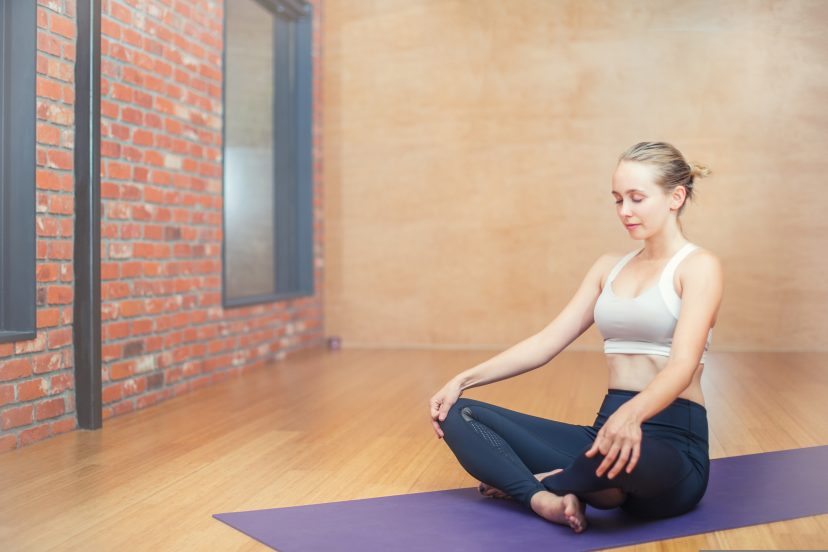
You know that tiny moment before a workout? The one where you either roll out your mat and get moving… or stare at the floor like it personally betrayed you? That moment matters. The best workout mat does more than cushion your knees. It helps turn exercise from “ugh, I should” into “okay, I can do this.”
A good mat gives you grip, comfort, space, and a small sense of ritual. It tells your brain, “This is where I show up for myself.” In this guide, you’ll learn how to choose a workout mat for yoga, HIIT, Pilates, stretching, strength training, and home fitness. You’ll also find five Amazon product ideas, research-backed motivation, and simple buying tips.
Why the Best Workout Mat Matters
A workout mat looks simple, but it can change how your body feels during exercise.
Think of it like shoes for your floor. You could do squats, planks, and stretches on bare tile, but your wrists, knees, back, and hips may complain like a group chat after midnight.
The right exercise mat can help with:
- Better grip during sweaty moves
- Cushioning for joints
- A cleaner workout space
- More comfort during floor exercises
- Motivation to start
And honestly, anything that makes starting easier deserves a little respect.
What to Look for Before You Buy
Before choosing the best workout mat, think about how you actually move.
Do you stretch quietly in the morning? Do fast HIIT circuits? Do Pilates while your dog judges your form? Your routine matters.
Look for these basics:
- Thickness: More cushion for joints, less wobble for balance work
- Grip: A non-slip workout mat helps during planks and lunges
- Size: Taller users or wide movements need extra room
- Material: Foam, rubber, TPE, cork, and PVC all feel different
- Storage: Roll-up mats save space; folding mats suit bigger workouts
The best mat is not always the most expensive one. It is the one you will actually use.
Best Workout Mat Thickness for Your Routine
Thickness can make or break your comfort.
A thin mat may feel stable for yoga, but harsh for sit-ups. A thick exercise mat may feel amazing for knees, but a little squishy for balance poses.
Quick thickness guide
- 4–6mm: Yoga, stretching, balance work
- 8–10mm: Pilates, core workouts, light strength training
- 1/2 inch: General home workouts and joint comfort
- 1 inch: Extra cushioning for sensitive knees
- 2 inches or more: Tumbling, martial arts, rehab-style floor work
If your knees talk back during lunges, go thicker. If you do standing yoga poses, prioritize stability.
Grip and Texture Matter More Than You Think
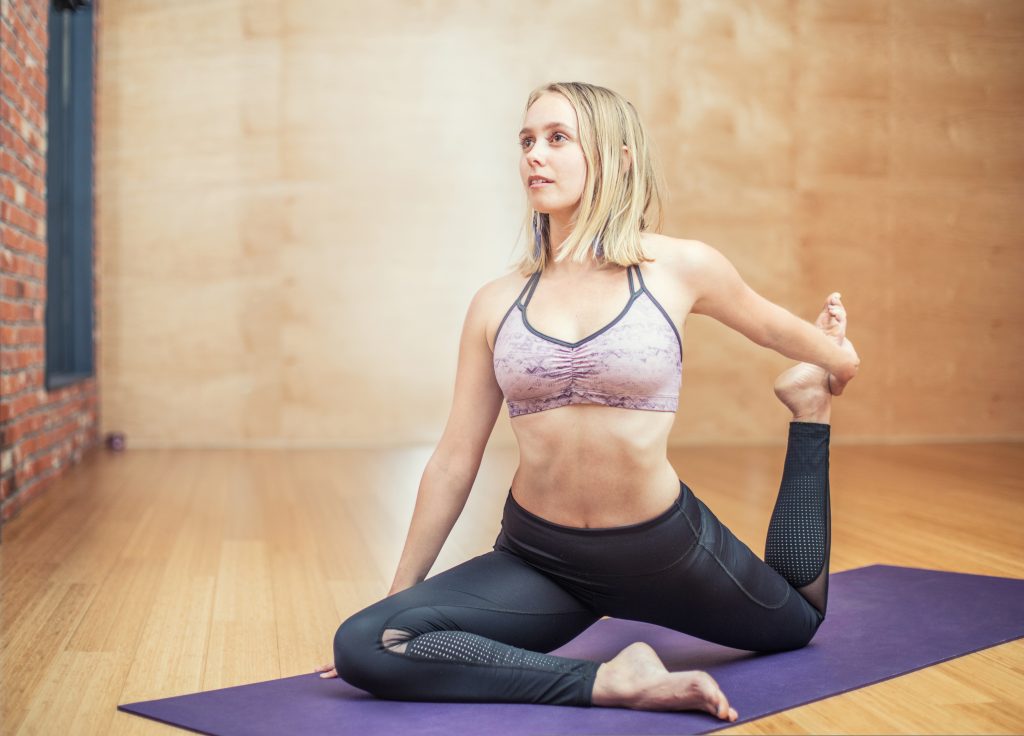
A mat that slides around is not a mat. It is a tiny indoor slip-and-slide.
For home workouts, grip matters because your hands and feet need to stay planted. This is especially true for mountain climbers, downward dog, push-ups, planks, and fast transitions.
Look for words like:
- Non-slip surface
- Textured grip
- Double-sided grip
- Sweat-resistant
- Anti-tear material
A good fitness mat should stay put while you move, not slowly migrate across the room like it has weekend plans.
Best Workout Mat Materials
Workout mats come in different materials, and each has a personality.
Foam
Foam mats are soft, light, and affordable. They are great for beginners, stretching, and gentle floor workouts.
TPE
TPE mats are lightweight and often marketed as more eco-conscious than traditional PVC. They usually offer decent grip and cushioning.
Rubber
Rubber mats tend to feel stable and durable. They are great for grip, but some have a strong smell at first.
Cork
Cork mats feel natural and firm. They often grip better as they get slightly damp, making them popular for yoga.
PVC
PVC mats are common, budget-friendly, and easy to clean. However, quality varies a lot.
Size Guide: Match the Mat to Your Space
A standard yoga mat is usually around 68–72 inches long and 24 inches wide. That works for many people, but not everyone.
Choose a larger home workout mat if you:
- Are tall
- Do side lunges or burpees
- Use resistance bands
- Train barefoot and with shoes
- Want a mini “home gym zone”
If you live in an apartment, measure your floor before buying. Your mat should fit your real life, not the imaginary home gym you saved on Pinterest.
Best Workout Mat Picks on Amazon
Below are five relevant Amazon product ideas for different workout styles. Always check the current price, size, color, and availability before buying.
1. Gaiam Essentials Thick Yoga Mat Fitness & Exercise Mat
The Gaiam Essentials Thick Yoga Mat Fitness & Exercise Mat is a strong pick for beginners, yoga, stretching, and floor exercises. Amazon lists it as 72 inches long, 24 inches wide, and 10mm thick, with an easy-cinch carrier strap.
Features:
- 10mm cushioning
- Lightweight feel
- Carrying strap included
- Good for yoga, Pilates, and floor fitness
Best for: Beginners, gentle workouts, stretching, and anyone who wants a comfortable mat without overthinking the purchase.
2. Retrospec Solana Yoga Mat 1″ Thick
The Retrospec Solana Yoga Mat 1″ Thick is built for people who want serious cushioning. Amazon describes it as a non-slip exercise mat for yoga, Pilates, stretching, floor workouts, and home fitness.
Features:
- 1-inch thick padding
- Nylon carrying strap
- Non-slip surface
- Comfortable for floor-based movement
Best for: Sensitive knees, stretching, mobility work, and low-impact home workouts.
3. HAPBEAR Large Yoga Mat 72″ x 36″
The HAPBEAR Large Yoga Mat gives you more width than a standard mat. Amazon lists it as 72 x 36 inches, 6mm thick, and includes resistance bands plus a carry bag.
Features:
- Extra-wide design
- Non-slip surface
- Includes resistance bands
- Comes with carry bag
Best for: People who feel cramped on narrow mats, plus anyone doing stretching, Pilates, resistance-band work, or beginner strength routines.
4. ProsourceFit Tri-Fold Folding Thick Exercise Mat
The ProsourceFit Tri-Fold Folding Thick Exercise Mat is a better fit for workouts that need more padding and floor coverage. Amazon’s ProsourceFit store lists tri-fold exercise mats with carrying handles, including larger 6′ x 4′ options.
Features:
- Folding design
- Carrying handles
- Thick cushioning
- Larger workout area
Best for: Stretching, core work, tumbling, martial arts practice, mobility drills, and family fitness spaces.
5. BalanceFrom GoCloud All-Purpose 1-Inch Exercise Yoga Mat
The BalanceFrom GoCloud All-Purpose 1-Inch Exercise Yoga Mat is another extra-cushioned choice. Amazon’s listing describes it as a 1-inch extra-thick, high-density, anti-tear exercise yoga mat with a carrying strap.
Features:
- 1-inch padding
- High-density foam
- Anti-tear design
- Carrying strap included
Best for: Floor workouts, stretching, beginner fitness, and people who want more padding under knees, elbows, and hips.
Quick Product Comparison: Which Mat Fits You?
Choosing the best workout mat gets easier when you match it to your routine.
- Best for beginners: Gaiam Essentials Thick Yoga Mat
- Best for joint comfort: Retrospec Solana 1″ Mat
- Best for extra width: HAPBEAR Large Yoga Mat
- Best for floor drills: ProsourceFit Tri-Fold Mat
- Best for thick cushioning: BalanceFrom GoCloud 1-Inch Mat
If you do a little bit of everything, choose a medium-thick mat with good grip. If your workouts are mostly on the floor, choose more cushion.
The Self-Improvement Side of Home Workouts
A workout mat can become a tiny promise.
Not a loud, dramatic promise. Just a quiet one: “I am going to give myself ten minutes.”
That matters.
You may start with stretching after work. Then a few squats. Then a short core workout. Over time, your mat becomes a small island of discipline in the middle of regular life.
Self-improvement does not always look like a massive transformation. Sometimes it looks like doing glute bridges in pajama pants while dinner reheats.
Still counts.
Best Workout Mat for Yoga and Stretching
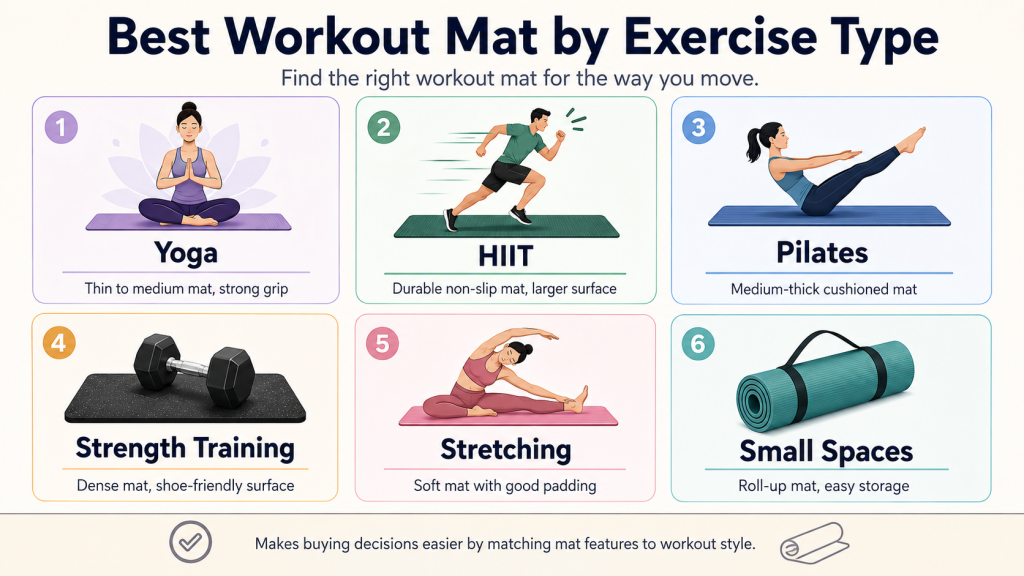
For yoga and stretching, look for balance between cushion and stability.
A mat that is too soft can make standing poses feel wobbly. A mat that is too thin can make seated stretches uncomfortable.
Choose:
- 6mm to 10mm thickness
- Strong grip
- Smooth but not slippery texture
- Enough length for full-body stretches
A yoga mat should feel grounding. You want to breathe, not negotiate with your knees.
Best Workout Mat for HIIT and Cardio
HIIT workouts need grip, durability, and enough space.
If you do jumping jacks, plank jacks, burpees, or mountain climbers, choose a non-slip workout mat that stays flat and grips the floor.
Look for:
- Larger surface area
- Dense material
- Shoe-friendly design
- Easy cleaning
- Strong traction
For intense cardio, avoid overly soft mats. Too much cushion can feel unstable during fast movements.
Best Workout Mat for Pilates, Core, and Floor Work
Pilates and core workouts involve a lot of contact with the floor. Your spine, hips, elbows, and knees will notice the difference.
A good Pilates mat should offer more cushion than a thin yoga mat.
Choose:
- 8mm to 1/2 inch thickness
- Soft but supportive foam
- Easy-to-clean surface
- Good length for lying flat
If you do crunches, leg lifts, bridges, bird dogs, or mobility drills, comfort matters. The less your body complains, the more likely you are to finish.
Best Workout Mat for Bad Knees or Sensitive Joints
If your knees feel tender, do not force yourself onto a thin mat.
Choose a thick exercise mat with soft support. A 1-inch mat can help with kneeling exercises, stretching, and low-impact strength training.
You can also fold a towel under your knees for extra comfort.
Helpful moves for sensitive joints include:
- Wall push-ups
- Glute bridges
- Dead bugs
- Seated stretches
- Standing strength exercises
Pain is not a personality test. Modify the movement and keep going wisely.
How to Clean and Store Your Workout Mat
A workout mat collects sweat, dust, hair, and sometimes crumbs. No judgment. Life happens.
Clean it after sweaty sessions with a damp cloth and mild soap. Before rolling it up, let it completely dry.
Simple care tips:
- Avoid harsh chemicals unless the brand allows them
- Do not store it wet
- Keep it away from direct heat
- Use a mat towel for sweaty workouts
- Roll it loosely to avoid deep creases
A clean mat feels more inviting. And yes, that can help you actually use it.
Mistakes to Avoid When Buying an Exercise Mat
The biggest mistake is buying based only on color. A cute mat is lovely, but your wrists and knees care more about grip and support.
Avoid these common mistakes:
- Choosing a mat that is too thin for floor workouts
- Buying a huge mat without measuring your room
- Ignoring grip if you sweat a lot
- Picking a soft mat for fast cardio
- Forgetting about storage
Also, do not assume one mat works for everything. A yoga mat and a home gym mat can serve different jobs.
Research-Backed Reasons Your Mat Can Help You Stay Consistent
A mat will not magically do the workout for you. Tragic, I know.
But it can reduce friction. When your space is ready, movement feels easier to begin.
According to the CDC, people should engage in two days of muscle-strengthening exercise in addition to at least 150 minutes of moderate-intensity exercise every week. A simple mat can support that routine at home by making bodyweight workouts, stretching, and strength sessions easier to start. Read the CDC physical activity guidelines for adults.
Exercise also supports mental well-being. A 2022 JAMA Psychiatry systematic review and meta-analysis found that even relatively small doses of physical activity were linked with lower risks of depression. That matters because self-improvement is not just about looking “fit.” It is about feeling more capable in your own life. See the JAMA Psychiatry physical activity and depression review.
And if your fitness journey is part of a deeper emotional reset, this guide to letting go through emotional detox practices can pair well with movement, reflection, and healthier routines.
FAQs About the Best Workout Mat
What is the best workout mat for home fitness?
The best workout mat for home fitness is one that matches your routine. For general use, choose a non-slip mat with medium cushioning, around 8mm to 1/2 inch thick. If you have sensitive knees, go thicker.
Is a thick workout mat better?
A thick workout mat is better for floor exercises, stretching, Pilates, and joint support. However, thinner mats may feel more stable for yoga poses, balance work, and fast standing movements.
What size workout mat should I buy?
A standard mat works for basic stretching and yoga. Choose an extra-large home workout mat if you do HIIT, strength training, resistance bands, or wide movements.
Is it possible to use a yoga mat for working out?
Yes, you can use a yoga mat as an exercise mat for light workouts, stretching, Pilates, and bodyweight exercises. For intense cardio or shoe-based training, choose a more durable fitness mat.
How frequently should I replace my exercise mat?
Replace your workout mat when it loses grip, tears, smells even after cleaning, or no longer cushions your joints. Heavy use may wear a mat out faster than occasional stretching.