
5 Things You Can Include In Your New Year’s Resolutions List

We may earn a commission for purchases made using our links. Please see our disclosure to learn more.
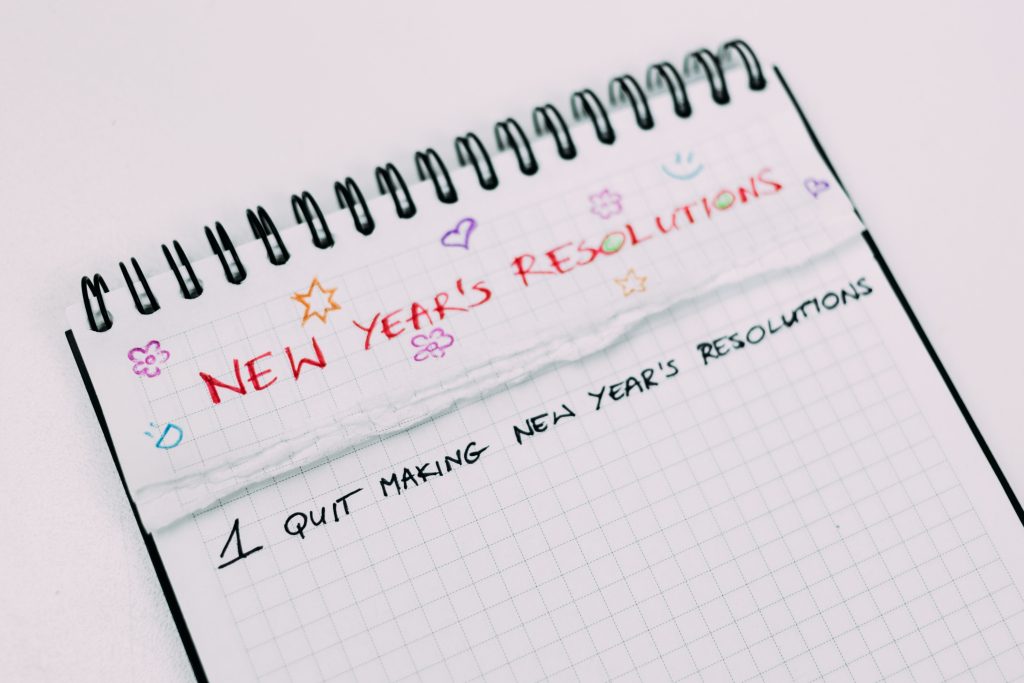
Making a New Year’s Resolutions List sounds exciting until you stare at a blank page and suddenly forget every dream you have ever had.
Should you get healthier? Save money? Wake up earlier? Finally organize that one drawer that has become a small museum of random chargers?
The truth is, a good resolutions list does not need to be dramatic. It does not need to turn you into a completely new person by February. The best list helps you become a little more intentional, one small choice at a time.
In this guide, you will find five meaningful things to include in your New Year’s Resolutions List, plus practical goal setting ideas, research-backed tips, Amazon product suggestions, and simple ways to keep going after the January motivation sparkle fades.
What Makes a New Year’s Resolutions List Actually Work?
A strong New Year’s Resolutions List is specific, realistic, and connected to your real life.
Not your fantasy life where you wake up at 4:30 a.m., drink green juice, run five miles, journal by candlelight, and never get annoyed by slow Wi-Fi.
Real life.
Your list should answer three simple questions:
- What do I want to improve?
- Why does it matter to me?
- What small action can I repeat?
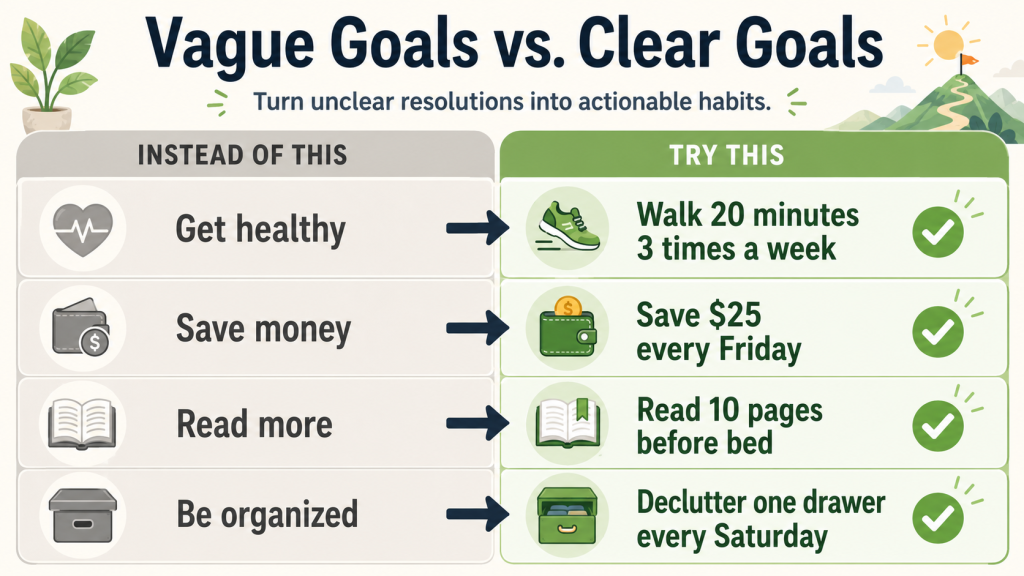
Instead of writing “be healthier,” write “walk for 20 minutes after dinner three times a week.” Instead of “save money,” write “transfer $25 every Friday into savings.”
Tiny goals may look boring on paper, but they are usually the ones that survive.
1. A Health Goal That Feels Kind, Not Punishing
Health goals are classic New Year habits, but they can become harsh quickly. You do not need to “fix” your body to care for it.
A better health resolution might focus on energy, sleep, strength, mobility, or stress relief.
Simple health resolution ideas
Try adding one of these to your New Year’s Resolutions List:
- Drink one extra glass of water each morning
- Stretch for five minutes before bed
- Cook one balanced meal at home each week
- Take a walk during lunch breaks
- Set a consistent bedtime on work nights
Think of this as maintaining the vehicle you live in, not entering a punishment program. Your body is not a problem project. It is your home.
2. A Money Goal That Gives You Breathing Room
A financial resolution does not have to mean becoming a budgeting wizard overnight. Sometimes the goal is simply to feel less surprised by your own bank account.
Start with one money habit that creates calm.
Practical money goals to consider
You could:
- Build a small emergency fund
- Track spending for 30 days
- Cancel subscriptions you no longer use
- Save for one meaningful purchase
- Plan a weekly “no-spend” day
A good money goal gives you more choices. Even a small savings habit can feel like opening a window in a stuffy room.
3. A Learning Goal That Keeps Your Mind Fresh
Personal growth goals do not always need to be career-focused. Learning can be joyful, creative, cultural, and deeply personal.
Maybe you want to learn Spanish phrases for travel, improve your cooking, understand investing, practice photography, or finally learn how to use that tool you bought with great optimism.
Make learning easy to start
Choose a learning goal that fits your season of life.
For example:
- Read one book per month
- Take a free online course
- Practice a language app for 10 minutes a day
- Learn one new recipe from a different culture each month
- Watch tutorials and practice a creative skill weekly
Learning keeps life from feeling like one long to-do list. It reminds you that you are still becoming.
4. A Relationship Goal That Builds Connection
Many people forget to include relationships on their New Year’s Resolutions List, yet connection shapes so much of our happiness.
This does not mean you need to become the group chat hero. It simply means choosing one way to be more present with the people who matter.
Relationship resolution examples
You might decide to:
- Call a family member every Sunday
- Plan one friend meetup each month
- Send thoughtful birthday messages
- Have phone-free dinners
- Practice listening without rushing to give advice
Different cultures show care in different ways: food, time, prayer, help, humor, shared errands, or quiet presence. Pick a connection goal that feels natural, not forced.
5. A Time Management Goal You Can Actually Follow
Time management is really energy management wearing a tiny office badge.
If your days feel chaotic, add one simple planning habit to your self improvement goals. You do not need to schedule every breath. You just need a system that helps you stop carrying everything in your head.
For a deeper approach, you can build better routines with smarter calendar management, especially if your resolutions involve work, family, fitness, or study commitments.
Time goals that reduce overwhelm
Try:
- Plan tomorrow’s top three tasks each night
- Use calendar blocks for deep work
- Set reminders for recurring habits
- Batch errands once a week
- Create a Sunday reset routine
A calendar is not a cage. Used well, it is more like a friendly fence that keeps your priorities from wandering into traffic.

How to Turn Big Resolutions Into Small Weekly Actions
Big yearly goals need small weekly steps. Otherwise, they become inspirational wall art.
Break every resolution into a repeatable action.
For example:
- “Get fit” becomes “do two strength workouts weekly”
- “Be more organized” becomes “declutter one drawer every Saturday”
- “Improve finances” becomes “review spending every Friday”
- “Read more” becomes “read 10 pages before bed”
Your yearly goals should feel like a staircase, not a cliff.
Research-Backed Goal Setting Tips That Make Change Easier
Research supports what many people learn the hard way: vague goals are slippery.
A major goal-setting theory review by Locke and Latham found that specific and challenging goals can improve performance when people are committed and receive feedback.
That does not mean your goals should be impossible. It means they should be clear enough that your brain knows what to do next.
Another helpful concept is implementation intention, sometimes called an “if-then” plan. The implementation intentions and goal achievement research shows that deciding when, where, and how you will act can make goals easier to follow.
For example:
“If it is 7 p.m. on Monday, then I will walk for 20 minutes.”
That tiny plan removes the daily negotiation. And honestly, daily negotiation is where many goals go to retire.
Common Mistakes to Avoid When Making Resolutions
Most resolutions fail because they are too vague, too big, or too disconnected from daily life.
Avoid these common traps:
- Choosing goals because everyone else is doing them
- Setting ten major goals at once
- Relying only on motivation
- Forgetting to track progress
- Quitting after one imperfect week
A messy week is not failure. It is data. Adjust the plan and keep moving.
A Simple Monthly Check-In Ritual
Accountability check-ins help you stay honest without being harsh.
At the end of each month, ask:
- What worked?
- What felt too difficult?
- What should I simplify?
- What am I proud of?
- What is one next step?
Keep this ritual short. Light a candle, make coffee, sit outside, or do it while your laundry spins. The vibe can be peaceful or chaotic. The point is reflection.
Amazon Products That Support Your New Year Goals
The right tool will not do the work for you, but it can make the work easier to remember.
Clever Fox Planner PRO – Weekly & Monthly Life Planner
This planner is great for turning life goals into monthly, weekly, and daily steps.
Features:
- Weekly and monthly layouts
- Goal-setting pages
- Habit tracking sections
- Large 8.5 x 11-inch format
Use it if you want one place for productivity, personal growth goals, and planning.
Legend Planner PRO – Deluxe Weekly & Monthly Life Planner
This is a strong choice for people who like structured reflection and bigger-picture planning.
Features:
- Weekly and monthly calendars
- Long-term goal planning
- Monthly review pages
- Hardcover design with stickers
Use it if you want a planner that connects daily tasks to bigger dreams.
Panda Planner Classic A5 Daily Planner 2026
This daily planner works well for people who need focus in shorter chunks.
Features:
- Daily pages
- Hourly schedule
- To-do list
- Habit tracker and gratitude journal
Use it if you like planning one day at a time without feeling buried in a full-year system.
The High Performance Planner by Brendon Burchard
This 2-in-1 planner and journal includes prompts for goals, habits, and reflection.
Features:
- Daily schedules
- Journal prompts
- Evening scorecards
- Weekly and monthly planning tools
Use it if you want a guided productivity planner with more personal reflection.
Clever Fox Hourly Planner PRO Premium
This option is helpful if your resolutions depend on better scheduling.
Features:
- Hourly time slots
- Weekly and monthly layouts
- Goal-setting sections
- Habit and finance planning pages
Use it if your biggest goal is managing time, routines, appointments, and priorities.
New Year’s Resolution Ideas by Life Area
If you need inspiration, here are a few ideas to spark your own list.
Health:
- Walk after dinner
- Prep two healthy lunches weekly
- Improve sleep habits
Money:
- Save a small amount weekly
- Track spending
- Start a debt payoff plan
Mindset:
- Practice gratitude
- Reduce negative self-talk
- Journal once a week
Home:
- Declutter one space monthly
- Create a cleaning routine
- Organize paperwork
Career:
- Update your resume
- Learn a new skill
- Network once a month
Choose the ideas that fit your real priorities. Your New Year’s Resolutions List should feel personal, not copied from someone else’s highlight reel.
How to Stay Motivated After January
Motivation usually arrives loud and leaves quietly. So, build systems that work even when motivation wanders off wearing sunglasses.
Try these:
- Make goals visible
- Track small wins
- Pair habits with existing routines
- Celebrate progress monthly
- Find an accountability partner
Also, lower the restart barrier. Start over the following day if you miss one. Start over the following week if you miss a week. You are allowed to continue without making a dramatic apology speech to your planner.
FAQs About New Year’s Resolutions List
What should I put on my New Year’s Resolutions List?
Include goals that improve your health, finances, relationships, mindset, time management, home, career, or learning. Choose goals that feel meaningful and realistic.
How many New Year’s resolutions should I make?
Start with three to five resolutions. Too many goals can scatter your focus. A shorter list gives you a better chance of staying consistent.
How do I make my resolutions easier to keep?
Make each goal specific, measurable, and tied to a routine. Write “walk for 20 minutes every Monday, Wednesday, and Friday” instead of “exercise more.”
What is the best way to track New Year goals?
Use a habit tracker, planner, calendar, spreadsheet, or notes app. The tracking system that you will really utilize is the best.
Is it okay to change my resolutions during the year?
Yes. Your goals should support your life, not trap you. Review them monthly and adjust when your schedule, priorities, or needs change.
Conclusion: Build a List You Can Grow Into
A meaningful New Year’s Resolutions List does not need to be perfect. It needs to be honest, clear, and doable.
Start with five areas: health, money, learning, relationships, and time management. Then break each goal into small weekly actions. Use tools if they help, check in monthly, and remember that consistency does not mean never slipping. It means returning without giving up.
This year, do not build a list that tries to shame you into becoming someone else. Build one that helps you take better care of the person you already are becoming.