Top 10 90-Day Goal Journals
We may earn a commission for purchases made using our links. Please see our disclosure to learn more.
90-Day Goal Journals turn a large objective into quarterly milestones, weekly priorities, and daily actions. They suit professionals, students, entrepreneurs, and anyone losing momentum with yearlong resolutions. The right journal should match the structure, reflection, scheduling, and habit tracking you will use. Products were evaluated by planning depth, layout, portability, build details, usability, specialized tools, and value. Because prices and availability change, the categories are broad. Choose between an intensive daily system and a lighter check-in you can sustain.
A journal works only when its page design fits your routine. Busy users may need five-minute prompts, while detailed planners may benefit from hourly schedules, open notes, and end-of-week reviews. The comparison below highlights those tradeoffs without treating one planning style as universally superior overall.
Quick Comparison
| Product | Best for | Key feature | Main limitation | Price category | Overall recommendation |
| BESTSELF Self Journal | Overall use | 13-week system | Learning curve | Premium | Most balanced |
| Full Focus Planner | Executives | Daily priorities | Dense format | Premium | Strong for focus |
| Panda Planner Venture | Business | KPI tracking | Work-oriented | Mid-range | Best business pick |
| Phoenix Journal | Reflection | Daily journaling space | Bulky | Premium | Deepest reflection |
| Goal Crazy Planner | Guided goals | Discovery course | Highly structured | Mid-range | Motivating system |
| Pland Studio Planner | Wellness balance | Self-care sections | Feminine styling | Mid-range | Gentle approach |
| 90-Day Goals Journal | Budget buyers | Guided check-ins | Paperback build | Budget | Simple value |
| Apartment 128 Planner | Note takers | Extra lined pages | Limited portability | Mid-range | Flexible choice |
| Legend Daily Planner | Portable planning | A5 daily pages | Small writing areas | Mid-range | Travel-friendly |
| Read & Write Journal | Habit building | Lifestyle trackers | Basic finish | Budget | Practical tracker |
1. BESTSELF Self Journal — Best for Overall Goal Planning
Overview: This undated 13-week planner connects long-term goals with weekly reviews and daily scheduling in one complete system.
Key features: Goal roadmaps, habit tracking, gratitude prompts, time-blocked daily pages, and weekly reflection.
Pros: Thorough structure; durable hardcover format; balances productivity and reflection.
Cons: Setup takes time, and the detailed pages may overwhelm casual planners.
Best for: Professionals or students committed to daily use.
Verdict: Its quarterly framework covers planning, execution, and review without limiting users to one goal type.

2. Full Focus Gray Linen Planner — Best for Executives
Overview: Michael Hyatt’s quarterly planner emphasizes limited priorities, purposeful routines, and scheduled work.
Key features: Annual and quarterly goal pages, daily priority lists, weekly previews, after-action reviews, and hardcover construction.
Pros: Clear prioritization; polished presentation; useful review rhythm.
Cons: The framework is dense and excessive for simple task lists.
Best for: Managers, founders, and busy professionals handling competing responsibilities.
Verdict: Its focus on essential outcomes helps when urgent tasks crowd strategic work.

3. Panda Planner Venture — Best for Business Goals
Overview: Venture is a compact, undated 90-day planner built for entrepreneurial planning.
Key features: Monthly, weekly, and daily views; goals; KPI tracking; timelines; and business-focused prompts.
Pros: Specialized work pages; compact size; useful performance tracking.
Cons: Personal-growth sections are less prominent, and smaller pages restrict extensive notes.
Best for: Entrepreneurs, consultants, sales professionals, and side-business owners.
Verdict: It stands out by converting business objectives into measurable weekly activity instead of relying only on motivational prompts.

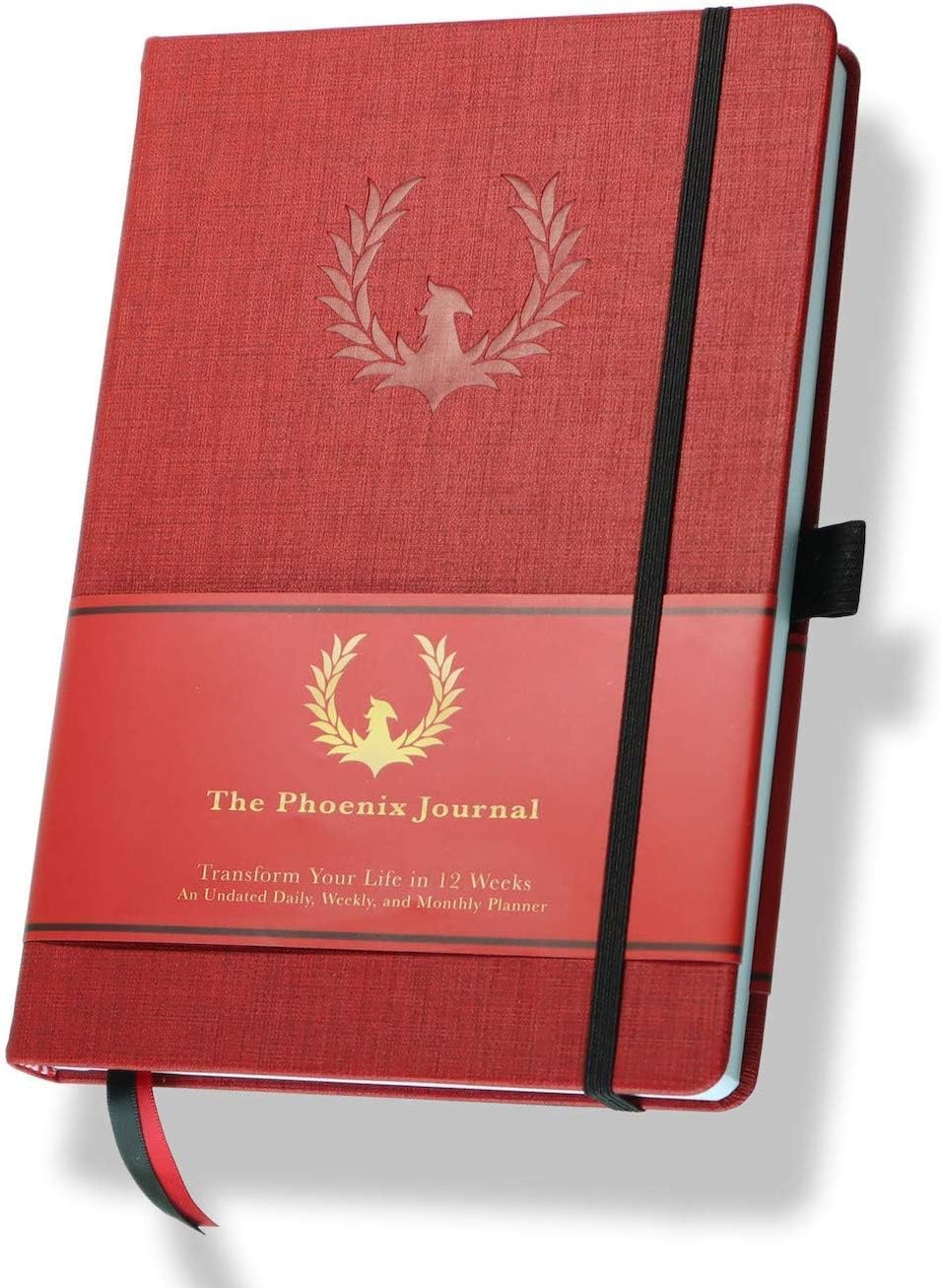
4. The Phoenix Journal — Best for Guided Reflection
Overview: This undated 12-week planner combines structured scheduling with unusually generous space for journaling and life-area reflection.
Key features: Monthly and weekly planning, hourly schedules, routine builder, habit tracking, vision board, and daily notes.
Pros: Strong reflection tools; lay-flat hardcover; substantial note space.
Cons: Heavier than compact planners, and the many prompts require consistent writing time.
Best for: Creatives and reflective planners connecting goals with values.
Verdict: Phoenix connects emotional clarity with practical quarterly execution.
5. Goal Crazy Undated Daily Planner — Best for Guided Goal Discovery
Overview: Goal Crazy combines daily planning with guidance for defining meaningful targets.
Key features: Goal-discovery material, habit tracker, daily tasks, calendar pages, reflection prompts, and training resources.
Pros: Helpful onboarding; energetic format; clear accountability tools.
Cons: Its coaching-heavy approach may feel restrictive to experienced planners.
Best for: Users who know they want change but need help defining priorities.
Verdict: It addresses the step before execution: choosing goals specific enough to guide daily decisions.

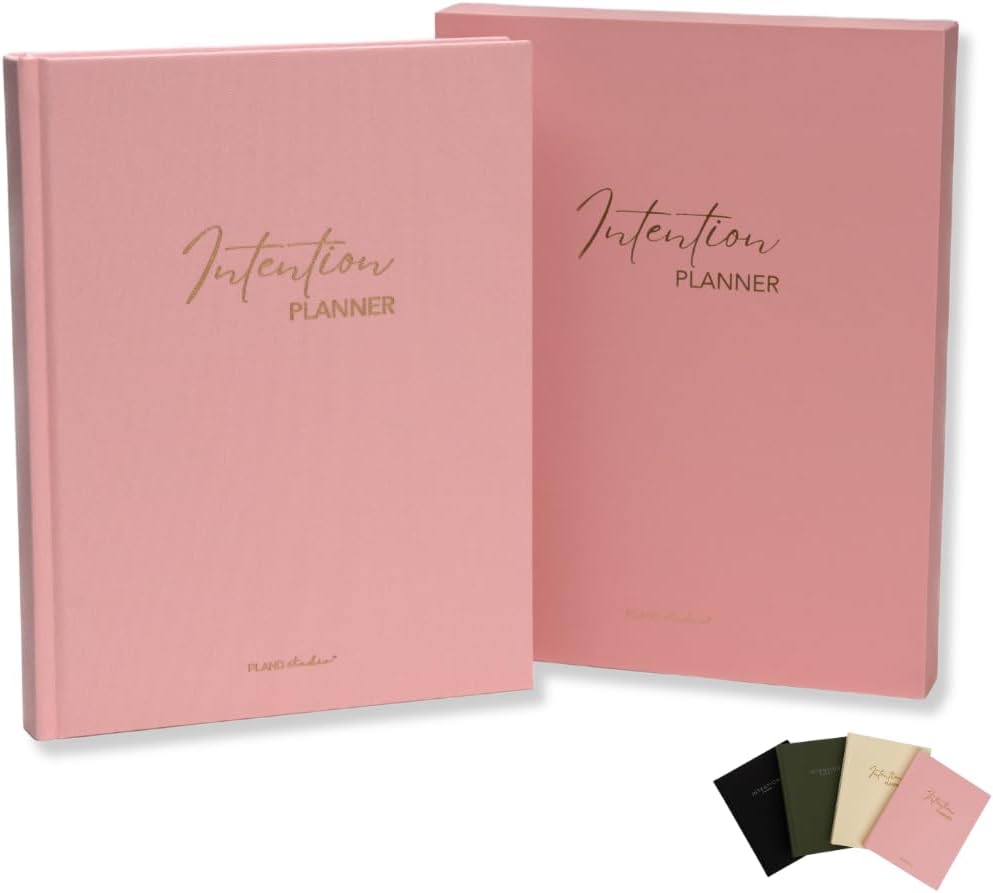
6. Pland Studio 90-Day Planner — Best for Work-Life Balance
Overview: Pland Studio blends quarterly goals with gratitude, meals, habits, and self-care.
Key features: Daily schedules, monthly calendars, weekly planning, vision board, gratitude prompts, habit tracking, and meal planning.
Pros: Broad lifestyle coverage; attractive gift-ready design; undated pages.
Cons: Decorative styling will not suit everyone, and numerous wellness sections reduce pure note space.
Best for: Users balancing productivity goals with personal routines.
Verdict: It suits buyers tracking work, health, meals, and reflection together.
7. The 90-Day Goals Journal by Emily Cassel — Best Budget Option
Overview: This guided paperback uses daily check-ins to help readers set, track, and maintain momentum toward a defined goal.
Key features: Goal-setting exercises, daily prompts, progress tracking, motivational check-ins, and end-of-cycle reflection.
Pros: Affordable format; approachable guidance; low visual clutter.
Cons: Paperback construction is less durable, and scheduling space is limited.
Best for: Beginners who prefer guided writing over hourly planning.
Verdict: It provides an accessible entry into 90-day planning without asking buyers to master an elaborate productivity method.

8. Apartment 128 90 Day Planner for Productivity — Best for Note Takers
Overview: This undated planner combines quarterly, monthly, weekly, and daily planning with more free-writing space than many structured competitors.
Key features: Ninety-one daily pages, forty lined notes pages, weekly reflections, gratitude exercises, goal planning, and two ribbon markers.
Pros: Flexible note capacity; compact 8-by-6-inch footprint; multiple planning levels.
Cons: The soft silk-finish cover offers less protection than hardcover competitors.
Best for: Users who mix task planning, reflection, and project notes.
Verdict: Its extra lined pages make it practical when ideas and meeting notes regularly spill beyond fixed planner boxes.
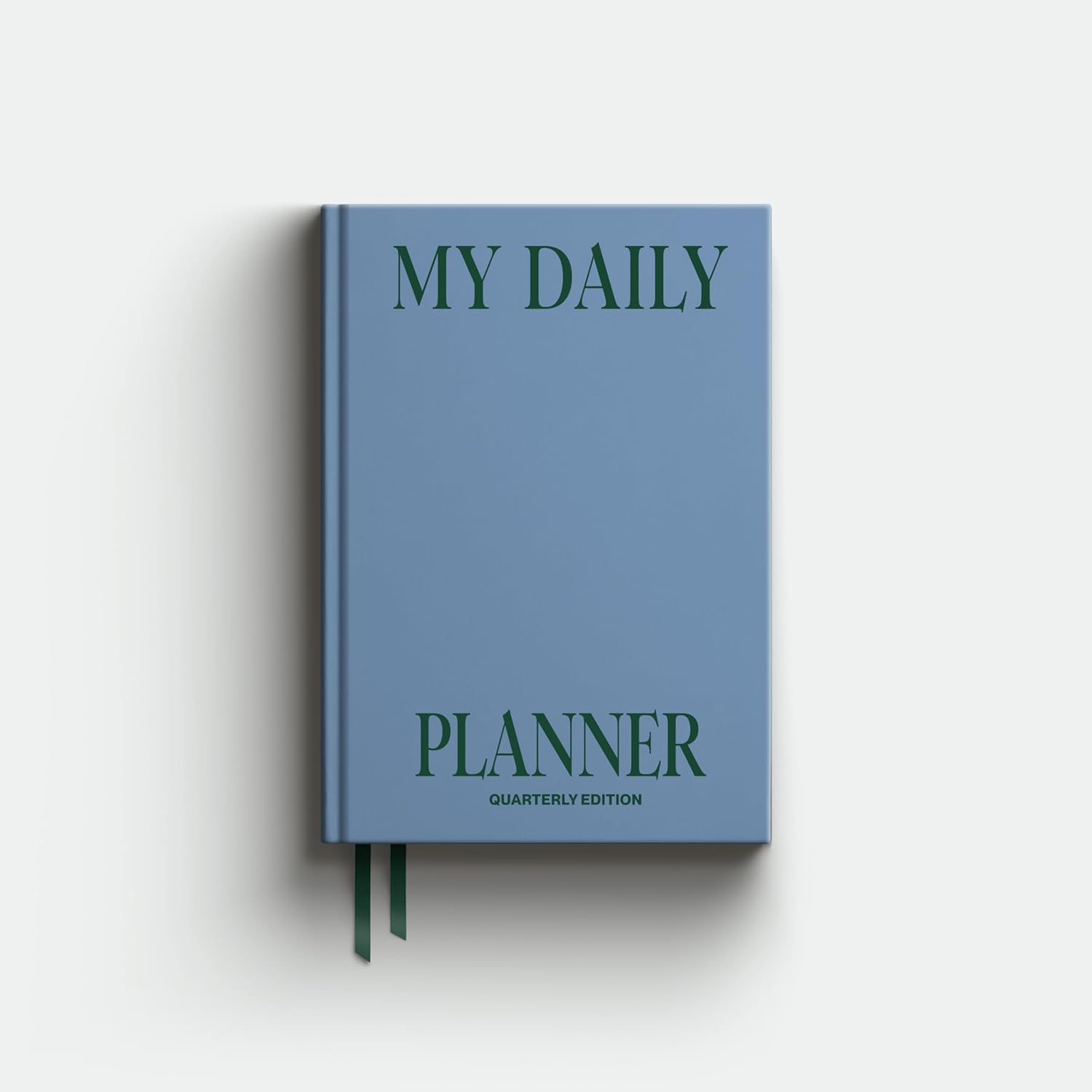
9. Legend Planner Daily 90-Day Planner — Best Compact Option
Overview: Legend’s A5 undated planner provides separate monthly, weekly, and daily pages while remaining easy to carry.
Key features: Four monthly calendars, fourteen weekly spreads, ninety-eight daily pages, hourly scheduling, habit tracking, reflection, and three ribbons.
Pros: Portable; thick paper; strong navigation between sections.
Cons: A5 pages can feel crowded, especially for large handwriting or complex schedules.
Best for: Commuters, students, and mobile professionals.
Verdict: This is the strongest compact choice because it preserves a complete quarterly structure instead of shrinking the planner into simple checklists.

10. Read & Write 90 Day Goal Journal — Best for Habit Building
Overview: This straightforward 118-page journal emphasizes routines, priorities, appointments, hydration, meals, and positive daily reflection.
Key features: Daily and weekly priority checks, appointment space, call and email lists, meal planning, water tracking, gratitude, and progress review.
Pros: Practical lifestyle tracking; uncomplicated layout; budget-friendly format.
Cons: The finish is basic, and users seeking strategic quarterly exercises may need another worksheet.
Best for: Buyers building everyday wellness and organization habits.
Verdict: It offers useful accountability for concrete routines without the complexity or cost of a premium coaching system.

How to Choose the Best 90-Day Goal Journals
Start with planning intensity. Two-page daily layouts suit time blocking and detailed reflection, while single-page check-ins reduce friction. Next, examine goal breakdown: strong journals translate quarterly outcomes into monthly milestones, weekly priorities, and specific actions.
Choose dated or undated pages according to consistency. Undated journals prevent wasted pages after breaks. Size also matters: A5 designs travel well, whereas larger formats provide comfortable writing and project space. Compare binding, cover protection, paper thickness, bookmarks, elastic closures, and whether the book lies flat.
Match specialized sections to your real objective. Entrepreneurs may need KPIs; wellness users may value meals, water, and habits; reflective users need prompts and open notes. Avoid paying for trackers you will ignore. For practical ways to convert ambitious outcomes into manageable actions, review SelfCraftr’s productivity tips that turn goals into consistent progress. Finally, confirm current Amazon product details, included accessories, return terms, and seller availability.
Frequently Asked Questions About 90-Day Goal Journals
Are 90-day journals better than annual planners? They are better for focused quarterly execution, but annual planners provide broader scheduling. Some people use both.
Should beginners choose guided prompts? Usually. Prompts reduce uncertainty, although overly detailed systems can discourage inconsistent users.
How many goals should I track? One to three meaningful outcomes are easier to review and support with weekly actions than a long wish list.
Do undated journals waste less paper? Yes. You can pause and restart without leaving unused dated pages, though you must enter dates manually.
Can 90-Day Goal Journals support fitness or business goals? Yes, provided the layout includes the measurements, routines, or KPI fields your objective requires.
Final Verdict
Among these 90-Day Goal Journals, the BESTSELF Self Journal is the best overall for its complete planning-and-review cycle. The 90-Day Goals Journal is the best budget option, while the Full Focus Planner is the premium choice for disciplined prioritization. Beginners should consider Goal Crazy’s guided system, and Panda Planner Venture is the strongest specialized option for business goals. Compare layouts, writing space, dimensions, and current warranty or return information. Then check the latest product details, seller status, and availability on Amazon.com before purchasing.