
Vital Fitness Tracker: Best Alternatives in 2026
We may earn a commission for purchases made using our links. Please see our disclosure to learn more.
You’ve probably typed “vital fitness tracker” because you’re chasing something simple: proof you’re making progress—without turning your life into a spreadsheet. Maybe you want more energy, better sleep, a little weight loss, or just a nudge to move your body again.
And honestly? A good tracker can feel like a tiny coach on your wrist… as long as you pick the right one.
Affiliate note: If you buy through the Amazon product links below, you may earn a commission at no extra cost to you.
Why “Vital Fitness Tracker” Has Become a Go-To Search
When people say “vital,” they usually mean vitals + momentum: heart rate, sleep, stress signals, steps, and that little daily “you did it” feeling.
But here’s the twist: you don’t need the most expensive smartwatch to get the benefits. You need the tracker that you’ll actually wear—on busy days, lazy days, and “I only have 12 minutes” days.
Think of it like shoes. The “best” pair isn’t the fanciest—it’s the pair you reach for without thinking.
The Quick Reality Check: What a Tracker Can (and Can’t) Do
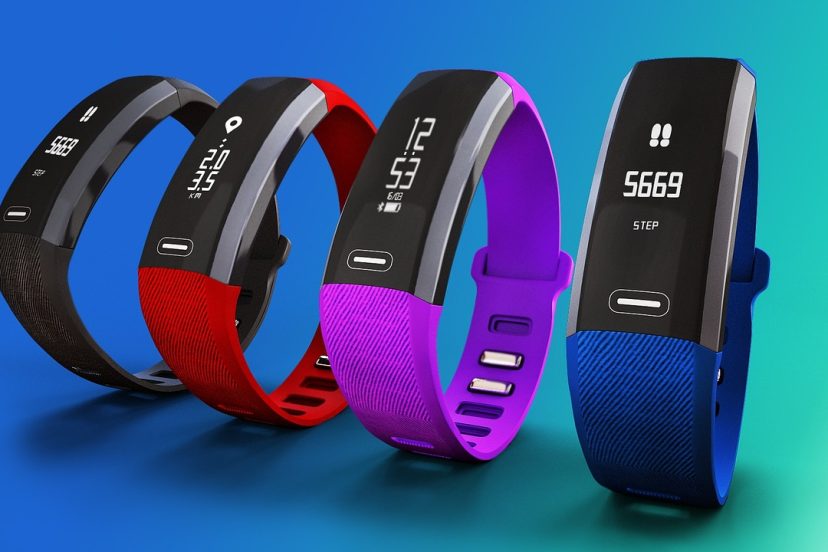
A fitness tracker watch or activity tracker is amazing at:
- spotting patterns (sleep consistency, resting heart rate trends)
- keeping you honest about movement (steps, active minutes)
- helping you pace workouts (heart-rate zones)
But it’s not magic. Wrist sensors can be slightly off, especially during fast movement or sweaty sessions. Still, for everyday health habits, the trendlines are the gold.
If you want perfection, you’ll end up frustrated. If you want progress, you’ll love it.
Fitness Tracker vs Smartwatch vs Chest Strap
This is the decision most people skip—and it matters.
Fitness tracker (band-style)
Best for: steps, sleep tracking, basic workouts, long battery life.
You’ll usually get: heart rate monitor, step counter, sleep stages, reminders.
Smartwatch (bigger screen)
Best for: fitness + calls/texts/apps + GPS convenience.
Tradeoff: more features, usually shorter battery life.
Chest strap (workout accuracy king)
Best for: heart-rate accuracy during intense training.
Tradeoff: not an all-day wearable for most people.
If your goal is “get healthier without overthinking,” a band-style tracker is often the sweet spot.
The “Vitals” That Matter Most: Heart Rate, HRV, SpO2, and More
The best health tracker doesn’t drown you in numbers—it highlights the ones that actually help.
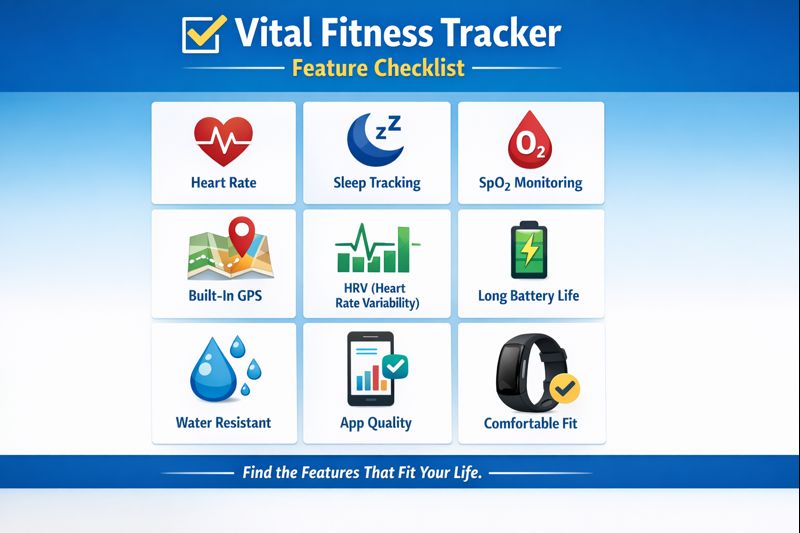
- Resting heart rate (RHR): a simple fitness trend marker over time
- Heart rate zones: helps you train smarter, not harder
- HRV (heart rate variability): a “recovery/stress” signal (not a daily grade)
- SpO2 (blood oxygen): useful context, especially during sleep
Treat these like dashboard lights. One day doesn’t define you. Patterns tell the story.
Step Count & Calorie Burn: Useful, Not Perfect
Steps are the most underrated “starter metric” because they’re behavioral. They change what you do.
Calories, on the other hand, are estimates. Still helpful—just don’t use them like exact math.
A practical mindset:
- steps = “Did I move today?”
- calories = “Am I roughly consistent?”
If you’ve ever been stuck in the “I’ll start Monday” loop, a step goal can break it—gently.
Sleep Tracking That Helps Instead of Guilt-Tripping You
Sleep tracking is where a “vital fitness tracker” can feel life-changing… or annoying.
Here’s how to make it helpful:
- focus on sleep consistency, not “perfect” scores
- watch wake time and total sleep first
- use insights for tiny tweaks (cooler room, less late caffeine, wind-down routine)
If you’re a parent, a shift worker, or someone dealing with anxiety—your sleep won’t always look “ideal.” That’s not failure. That’s life. The goal is better, not flawless.
GPS, Workouts, and Training Modes for Real Life
If you walk, run, cycle, hike, lift, dance, do yoga, or chase kids around the house—your tracker should keep up.
Look for:
- built-in GPS (or at least connected GPS)
- multiple workout modes
- auto-detect workouts (nice bonus)
- decent heart rate tracking during movement
A quick “who needs GPS?” check
- Yes: runners, cyclists, hikers, outdoor walkers
- Maybe: gym-only folks
- No: if you just want steps, sleep, and reminders
Comfort, Sizing, and Skin-Friendly Materials
This is the part people ignore… then stop wearing the device.
If it pinches, itches, or feels bulky, you’ll “forget” it in a drawer.
Quick comfort checklist:
- adjustable band (and ideally two sizes included)
- lightweight build
- breathable material
- water resistance for sweat, rain, hand-washing, and showers
Pro tip: if you’re between sizes, pick the one that stays snug without squeezing. A too-loose tracker gives worse readings.

Battery Life & Charging Habits: The Two-Week Dream
Battery life isn’t just convenience—it’s consistency.
If you have to charge every night, you’ll miss sleep data. If you charge weekly (or less), you’ll build the habit without effort.
Ask yourself:
- “Will I remember to charge this?”
- “Do I want a charger on my nightstand?”
- “Do I care if it dies mid-week?”
No shame either way. Just choose what fits your personality.
App Experience, Compatibility, and the Subscription Trap
A tracker is only as good as its app.
Before you buy, consider:
- iPhone vs Android compatibility
- how easy it is to view trends (weekly/monthly)
- whether key features sit behind a subscription
Subscriptions aren’t automatically “bad.” But you should know what you’re signing up for—especially if your budget is tight.
Data Privacy: Who Sees Your Health Metrics?
Real talk: wearables collect sensitive stuff.
If privacy matters to you, look into:
- what data gets stored in the cloud
- whether you can delete/export your data
- sharing settings (especially for social features)
Your health data should feel like your property—not a “free trade” for convenience.
How to Choose the Right Vital Fitness Tracker (Mini Quiz)
Pick the answer that sounds most like you:
- I want simple health habits.
→ prioritize comfort + battery + steps + sleep tracking. - I’m training for something.
→ prioritize GPS + workout modes + strong heart rate monitoring. - I want fitness + daily life in one device.
→ consider a smartwatch-style option. - I’m on a budget but I want real value.
→ prioritize core metrics and a solid app experience.
If you’re stuck between two choices, pick the one you’ll wear every day. That’s the “best” one.
Product Picks: 5 Highly Rated Amazon Alternatives
Below are five popular options you can use as vital fitness tracker alternatives, depending on your goals and budget.
1) Fitbit Charge 6 Fitness Tracker
Best for: most people who want balanced fitness + health insights
What it is: a sleek band-style tracker with strong day-to-day health tracking and workout features.
Standout features
- heart rate tracking + workout tools
- GPS for outdoor sessions
- health insights and app ecosystem
Who it’s for
- you want a “do-it-all” band without smartwatch bulk
- you care about steps, sleep, and workouts in one place
2) Apple Watch SE (2nd Gen)
Best for: iPhone users who want fitness + smartwatch life
What it is: a smartwatch that’s especially strong for everyday activity, workouts, and convenience.
Standout features
- excellent integration with iPhone
- strong workout tracking + notifications
- great app ecosystem
Who it’s for
- you want calls/texts + fitness in one device
- you’ll charge more often for the “do more” experience
3) Garmin vívosmart® 5 Fitness Tracker
Best for: simple tracking with a fitness-first vibe
What it is: a minimalist tracker from a brand known for fitness and training tools.
Standout features
- clean, fitness-focused tracking experience
- strong brand reputation in training devices
- comfortable band-style design
Who it’s for
- you want a straightforward tracker (less “smartwatch,” more “fitness”)
- you like focusing on movement and recovery signals
4) Amazfit Band 7 Fitness & Activity Tracker
Best for: budget-friendly tracking with lots of basics
What it is: a lightweight band-style tracker that covers core needs without a premium price tag.
Standout features
- step counter + sleep tracking basics
- heart rate monitoring
- typically strong battery value for the price tier
Who it’s for
- you want a starter tracker that still feels “real”
- you want the habit-building benefits without overspending
5) Samsung Galaxy Fit3
Best for: Samsung users who want a simple band companion
What it is: a band-style tracker designed to pair nicely with Samsung phones and routines.
Standout features
- clean band-style form factor
- activity tracking + daily basics
- strong “everyday wearable” feel
Who it’s for
- you’re in the Samsung ecosystem
- you want a simple, wearable nudge to move more
Research-Backed Credibility: What Studies Say About Wearables
If you’ve ever stared at your wrist and thought, “Okay… but is this legit?”—you’re in good company. Here’s what the research suggests:
1) Wrist heart-rate accuracy can vary by context (and skin tone)
A systematic review on wrist-worn heart-rate accuracy across skin tones found that results can vary depending on conditions (like movement and device model), and it highlighted why inclusive testing matters. In plain English: your tracker is still super useful for spotting trends—but treat the number as a best estimate, especially during fast, high-intensity workouts.
2) Heart rate is often stronger than “calories burned”
Real-world testing shows many consumer wearables can track heart rate fairly well across everyday conditions, like in this JMIR validation study on consumer wearable heart-rate accuracy. But when it comes to energy expenditure (calories), accuracy is tougher—reviews like this systematic review on wearable validity for steps, heart rate, and energy expenditure note that calorie estimates can vary a lot by device and situation. So use calorie burn as a directional guide, not a hard truth—while leaning more confidently on heart-rate trends and activity consistency.
Make your tracker “stick” (the part nobody tells you)
The secret isn’t the device. It’s the routine you wrap around it.
If you want a simple, realistic reset plan for building momentum (habits, schedules, and follow-through), pair your tracker with a short, practical guide like this: get your life together checklist and plan.
FAQs About Vital Fitness Trackers (Plus a Final Pep Talk)
What is the best vital fitness tracker alternative in 2026?
The “best” choice depends on your lifestyle. If you want an all-around band, start with a balanced tracker. If you’re deep in iPhone or Samsung, ecosystem picks feel smoother day-to-day.
Are vital fitness trackers accurate for heart rate?
They’re usually good for general tracking and trends, but accuracy can dip during intense movement or certain conditions. Use them to guide effort, not to chase perfection.
Can a vital fitness tracker help with weight loss?
Yes—because it helps you stay consistent. Steps, active minutes, and sleep awareness often improve habits that support weight goals. Don’t obsess over calorie estimates.
What should I look for in sleep tracking?
Focus on consistency: bedtime, wake time, and total sleep. Let the data help you adjust gently—don’t let it become a new thing to stress about.
Do I need GPS in a fitness tracker?
Only if you do outdoor walks/runs/rides and care about distance/pace maps. If you mainly want movement, heart rate, and sleep, you can skip GPS.
Final thoughts: A “vital fitness tracker” isn’t about becoming a new person overnight. It’s about noticing your patterns… and choosing one small win today. Wear it. Learn from it. Then let it quietly nudge you into a life that feels a little stronger, calmer, and more yours.