Top 10 Goal-Setting Workbooks
We may earn a commission for purchases made using our links. Please see our disclosure to learn more.
Goal-Setting Workbooks turn broad ambitions into written priorities, milestones, and repeatable actions. They suit students, professionals, entrepreneurs, creatives, and anyone who keeps setting goals but struggles to follow through. The right format matters: some readers need reflective prompts, while others benefit from weekly scorecards, time blocks, or habit tracking. We compared structure, ease of use, planning horizon, portability, paper format, and value. These picks include guided books and planner-style workbooks, giving you practical choices for personal, academic, and professional goals.
Quick Comparison
| Product | Best for | Key feature | Main limitation | Price category | Overall recommendation |
| 12 Week Year Field Guide | Focused execution | Twelve-week system | Business-oriented tone | Mid-range | Best overall |
| Clever Fox Planner PRO | Detailed planning | Large weekly layout | Bulky for travel | Mid-range | Highly versatile |
| Full Focus Planner | Executives | Quarterly priorities | Higher recurring cost | Premium | Best premium |
| BestSelf Self Journal | Beginners | Guided 13-week structure | Learning curve | Mid-range | Strong starter |
| The Freedom Journal | One goal | 100-day system | Single-goal focus | Mid-range | Strong focused choice |
| Productivity Planner | Time management | Time blocking | Short planning cycle | Premium | Focused choice |
| Ultimate Goal Setting Workbook | Simple exercises | Guided prompts | Limited scheduling | Budget | Easy entry |
| High Performance Planner | Self-assessment | Daily scorecards | Prompt-heavy | Mid-range | Best for coaching |
| Law of Attraction Planner | Vision work | Vision-board exercises | Spiritual framing | Mid-range | Specialized pick |
| GOALS Workbook | Budget users | Straightforward prompts | Basic production | Budget | Affordable option |
1. The 12 Week Year Field Guide — Best for Focused Execution
Overview: Brian P. Moran and Michael Lennington’s field guide turns annual ambitions into concentrated twelve-week plans. It suits readers wanting a repeatable execution framework rather than decorative journaling.
Key features: Vision exercises, goal guidance, twelve-week worksheets, weekly tracking, and accountability prompts.
Pros: Clear system; reusable concepts; works for personal or professional projects.
Cons: The tone favors workplace performance, and the exercises require regular reviews.
Best for: People motivated by deadlines and measurable weekly actions.
Verdict: Its blend of instruction and application makes it practical for converting priorities into scheduled work.

2. Clever Fox Planner PRO — Best for Detailed Weekly Planning
Overview: Clever Fox Planner PRO combines life-vision exercises with monthly calendars, weekly spreads, habit tracking, and reflection. Its large format connects long-term goals with everyday tasks.
Key features: Undated twelve-month layout, 8.5-by-11-inch pages, goal sections, habit trackers, and lay-flat binding.
Pros: Spacious writing area; flexible start date; covers several life categories.
Cons: It is cumbersome for commuting, and busy prompts may overwhelm minimalists.
Best for: Professionals, students, or households managing several goals.
Verdict: Choose it for one substantial workbook covering vision, scheduling, habits, and weekly accountability.

3. Full Focus Planner by Michael Hyatt — Best Premium Option
Overview: Full Focus is a quarterly system built around annual goals, weekly priorities, and daily focus. It helps users decide what matters before filling their schedules.
Key features: Annual-goal pages, quarterly planning, ideal-week mapping, weekly previews, daily priorities, and reviews.
Pros: Polished construction; clear hierarchy; links goals to calendar commitments.
Cons: Quarterly replacement costs add up, and setup requires consistency.
Best for: Executives, business owners, and professionals managing demanding projects.
Verdict: Its disciplined planning rhythm and purposeful page hierarchy justify the premium positioning.

4. BestSelf Self Journal — Best for Beginners
Overview: BestSelf’s undated Self Journal guides users through a thirteen-week cycle with daily planning, gratitude, habits, and weekly reflection. Its progressive layout demonstrates how goal breakdown and review work together.
Key features: Goal roadmaps, daily timelines, habit tracking, gratitude prompts, and weekly reviews.
Pros: Helpful instructions; balanced reflection and action; portable hardcover format.
Cons: The sections create a learning curve, and daily completion needs commitment.
Best for: Beginners who do not want to design their own system.
Verdict: It teaches productive routines while adapting to work, study, wellness, and creative projects.

5. The Freedom Journal by John Lee Dumas — Best for One Major Goal
Overview: The Freedom Journal guides you through a 100-day process for defining and pursuing one goal. Its structured approach combines daily action planning with progress reviews.
Key features: SMART goal framework, daily action plans, nightly reflections, ten-day sprints, and periodic reviews.
Pros: Clear single-goal focus; undated format; structured accountability.
Cons: Concentrating on one goal may not suit people managing several priorities.
Best for: Entrepreneurs, professionals, and self-improvement projects.
Verdict: It stands out for readers who want a defined deadline and accountability.

6. Intelligent Change Productivity Planner — Best for Time Management
Overview: This three-month Productivity Planner uses time blocking and focused task selection to limit oversized to-do lists. It suits people whose goals compete with daily interruptions.
Key features: Undated quarterly layout, daily priorities, scheduled work blocks, calendars, habit trackers, and weekly reviews.
Pros: Encourages realistic workloads; integrates scheduling with goals; clean design.
Cons: The short cycle needs replacement, and life-planning prompts are limited.
Best for: Knowledge workers, freelancers, and students improving focus.
Verdict: It turns intentions into protected time, where progress can actually occur.

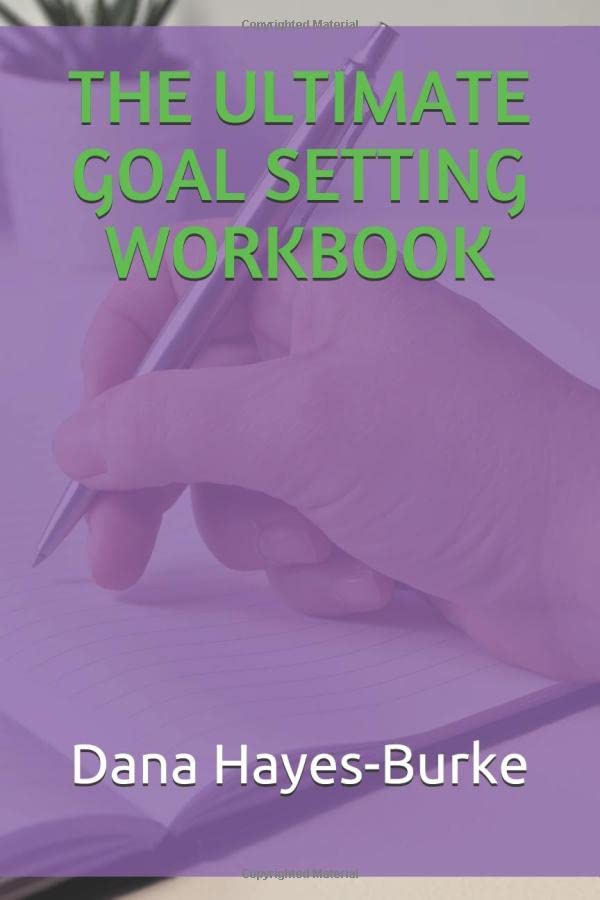
7. The Ultimate Goal Setting Workbook — Best for Simple Guided Exercises
Overview: This paperback workbook walks readers through goal selection, planning, and reflection without adding a daily calendar. Its sequence suits people wanting exercises instead of a full planner.
Key features: Step-by-step prompts, goal-definition pages, action planning, progress reviews, and methods.
Pros: Easy to understand; focused on goals; approachable for occasional sessions.
Cons: Basic presentation and limited scheduling tools reduce everyday usefulness.
Best for: Readers wanting a dedicated workbook beside a calendar.
Verdict: Choose it when guided thinking matters more than dates, trackers, or extras.
8. The High Performance Planner — Best for Daily Self-Assessment
Overview: Brendon Burchard’s planner combines scheduling with morning prompts, evening scoring, and weekly habit assessment. Its coaching questions examine mindset and performance alongside finished tasks.
Key features: Mindset prompts, daily goal boxes, project planning, evening scorecards, weekly assessments, and balance reviews.
Pros: Encourages reflection; reinforces consistency; supports performance-minded users.
Cons: Repeated prompts take time and may feel intensive.
Best for: Entrepreneurs, managers, coaches, and professionals who enjoy self-evaluation.
Verdict: It measures how you approached each day, not only what you completed.

9. Freedom Mastery Law of Attraction Planner — Best for Vision-Based Goals
Overview: Freedom Mastery blends scheduling with manifestation, gratitude, affirmations, and vision-board work. It suits readers motivated by visualizing outcomes and connecting goals with personal meaning.
Key features: Annual, monthly, and weekly planning; vision boards; habit tracking; affirmations; gratitude; and reflection.
Pros: Creative exploration; yearlong structure; combines planning and journaling.
Cons: Spiritual language is not universal, and dated editions become obsolete.
Best for: Readers who prefer visualization and expressive planning.
Verdict: It offers imaginative reflection while retaining practical planning pages.

10. GOALS: The Complete Goal Setting Workbook — Best Budget Option
Overview: GOALS offers a direct, prompt-led process for clarifying objectives, motivation, and progress. It favors simplicity over premium binding or elaborate calendar spreads.
Key features: Goal clarification, action planning, motivation prompts, progress tracking, and response space.
Pros: Affordable entry point; approachable format; useful for occasional planning sessions.
Cons: Production is basic, with limited daily scheduling.
Best for: Budget-conscious beginners testing guided goal work.
Verdict: It makes structured reflection accessible without a costly or complicated commitment.

How to Choose the Best Goal-Setting Workbooks
Start with your planning horizon. A ninety-day or twelve-week workbook creates urgency, while a twelve-month planner supports ongoing routines and several life areas. Next, choose the right balance of instruction and scheduling. Guided exercises help beginners define meaningful outcomes; daily pages suit users who already know their goals but need execution support.
Consider review frequency. Weekly scorecards expose missed actions quickly, whereas monthly reviews allow flexibility but may delay corrections. Check size, binding, writing space, and whether an undated layout matters. Compact books travel easily; large formats support mind maps and detailed plans.
Finally, match the tone to your motivation style. Some workbooks emphasize measurable performance; others use gratitude, visualization, or reflection. A workbook works best when you pair its prompts with practical productivity tips and schedule the next action instead of merely writing an inspiring goal.
Frequently Asked Questions About Goal-Setting Workbooks
Are goal-setting workbooks worth using?
Yes, when you complete the exercises, review progress, and convert goals into scheduled actions. An unopened workbook cannot improve follow-through.
Should beginners choose a daily or weekly format?
Weekly planning with brief daily priorities usually provides structure without making the routine feel burdensome.
Are undated workbooks better?
Undated pages reduce waste and let you resume after breaks. Dated formats suit deadline-driven goals.
How many goals should I track at once?
Start with one to three meaningful goals. Too many active targets divide attention and complicate reviews.
Can one workbook manage personal and professional goals?
Yes, if it offers categories or ample space. Keep confidential workplace information separate when required.
Final Verdict
The 12 Week Year Field Guide is best overall for disciplined execution. GOALS is the best budget option, while Full Focus provides the strongest premium experience. BestSelf Self Journal is most approachable for beginners, and Freedom Mastery is the specialized winner for vision-based planning.
Before buying, compare each format, planning period, dimensions, and sections. Confirm current warranty or return details where relevant, then check the latest edition, seller, availability, and product information on Amazon.com.