30-Day Mindfulness Challenge

We may earn a commission for purchases made using our links. Please see our disclosure to learn more.
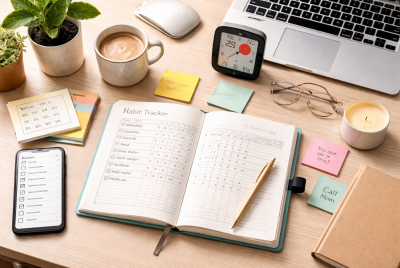
Imagine closing each day feeling a little lighter, clearer, and more present—without rearranging your entire life. That’s the heart of this 30-Day Mindfulness Challenge: tiny, doable practices that fit into real schedules (kids, commute, deadlines and all) so you can stress less, focus better, and enjoy the moments you’re actually living.
You’ll get a friendly roadmap by week, a daily rhythm you can personalize, practical tips for common roadblocks, and a quick gear guide (with Amazon picks) if you like tools that keep you consistent. We’ll also share research-backed benefits so you know this isn’t just vibes.
What Is a 30-Day Mindfulness Challenge?
It’s a month of short, intentional practices—breath, body awareness, gentle movement, reflection, and compassion—to train your attention. Think of it like brushing your mind’s teeth: small, daily care that prevents buildup (anxiety, reactivity, distraction) and keeps your mental hygiene strong.
You’ll use:
- 5–15 minutes most days (start small)
- One anchor practice per week
- Optional trackers and prompts (gratitude, mindful eating, body scan)
How the Challenge Works (and Why 30 Days)
Thirty days hits a sweet spot: enough time to build a habit loop (cue → practice → reward) and start noticing benefits—better focus and emotional regulation—without feeling like a forever commitment. You’ll stack tiny routines onto things you already do (coffee, commute, brushing teeth) so consistency feels almost automatic.
Your Simple Daily Rhythm (5–15 Minutes)
- 1 minute: Arrive (three deep belly breaths; exhale longer than inhale).
- 3–10 minutes: Core practice of the week (guided or silent).
- 1–2 minutes: Note one thing you’re grateful for or learned.
- Micro-moment: Pick one daily activity to do mindfully (sip, step, or sentence).
Pro tip: Start with 5 minutes. When that feels easy, add 2–3 more.

Week 1: Anchor to the Breath (Foundations)
Goal: Train attention and soften stress with simple, portable breathing.
Day 1–7 (choose one each day)
- Box breathing 4–4–4–4: Inhale 4, hold 4, exhale 4, hold 4.
- Extended exhale: Inhale 4, exhale 6–8 (downshifts your nervous system).
- Labeling: “In… out.” When the mind wanders (it will), kindly return.
- Mindful pause before email: 3 breaths, then read.
- Mindful first sip: Notice warmth, scent, flavor—no screens for 60 seconds.
If focus wobbles: Smile at the distraction (“thinking… planning… remembering…”), then return. That gentle redirection is the rep that builds mental muscle.
Week 2: Body, Emotions, and the Senses
Goal: Feel grounded in your body so emotions don’t run the show.
Try these:
- Body scan (head to toe)—notice sensations without fixing them.
- Hand-on-heart—name one feeling: “I’m noticing tension/anxiety/softness.”
- Five-sense reset—name: 5 things you see, 4 feel, 3 hear, 2 smell, 1 taste.
Cue it to routine: Right after you sit down at your desk, do a 90-second scan.
Week 3: Mindful Living—Eat, Walk, Work
Goal: Carry mindfulness into everyday life.
- Mindful walking: Feel the heel-to-toe roll for 10 breaths between tasks.
- Mindful eating mini-ritual: First three bites with full attention—texture, aroma, gratitude for the journey to your plate.
- Single-task sprints: 10–15 minutes focused work → 1 minute breath break.
Question for you: Which daily task is begging to become your mindfulness anchor?
Week 4: Compassion, Gratitude, Real-Life Resets
Goal: Lighten the inner critic and sustain the practice with heart.
- Loving-kindness (2–4 minutes): “May I be kind; may I be at ease.” Extend to a friend, then a neutral person, then all beings.
- Evening reflection: “What went well?” (one line), “What did I learn?” (one line).
- Reset on rough days: Three breaths. Name what’s hard. Offer kindness: “This is tough—and I can take one small step.”
Troubleshooting: “I Can’t Sit Still” & Other Real Talk
- Restless? Try standing mindfulness or mindful walking first.
- Sleepy? Practice earlier, lights on, spine tall; or do a 3-minute standing body scan.
- Bored? Switch modalities: sound, movement, taste. Boredom often means the mind wants novelty—give it a new anchor.
- No time? One mindful breath between tasks still counts.
Make It Stick: Habit Hooks & Tiny Rewards
- Hook your practice to an existing habit: after brushing teeth, before opening your laptop.
- Reward immediately: tiny checkmark on a tracker, short stretch, “nice job” text to yourself (yes, it works).
- When you miss: No guilt. Just begin again at the next cue—this is a compassion practice as much as an attention practice.
Mindful Tech: Timers, Apps, and Trackers
Use a simple timer or your phone’s Do Not Disturb with a custom 5–10 minute block. Prefer biofeedback? Tools can nudge consistency, but keep the spirit simple: awareness, kindness, repetition.
Mini Scripts You Can Use Anywhere
- Two-sentence reset (meetings): “I’m arriving. I’m listening.”
- Stress spike (traffic): “Breathing in, steady; breathing out, soft.”
- Before sleep: “Nothing to solve now. Inhale 4, exhale 6.”
Mindfulness for Different Lifestyles
- Parents & caregivers: One breath before responding; 3-breath hug.
- Students: 10-minute single-task sprint + 1-minute breath break between subjects.
- Remote workers: Mindful walk to the kitchen for water (no phone).
- Healthcare/shift work: Hand-washing cue—feel the water, the warmth, the gratitude.
Mindful Eating Mini-Guide
- Plate it, pause, three breaths, then first three bites in silence.
- Notice fullness cues at the halfway point.
- If snacking: put the snack in a bowl (not the bag) and taste fully for 30 seconds.
Sleep Better with Mindfulness
Build a wind-down: dim lights, 3 minutes of extended exhale breathing, and a quick gratitude line. Research links mindfulness to improved sleep and daytime energy—more on that below in the Research-Backed section.
After 30 Days: Build Your Personal Practice Map
Keep what worked, let go of what didn’t, and choose a maintenance plan (10 minutes/day, or 5 days/week). If you’re ready to deepen your routine, explore this Self-Care Reset plan to keep momentum going with gentle structure.
Affiliate Product Picks to Support Your 30-Day Mindfulness Challenge
Below are five Amazon favorites to make your practice more comfortable and consistent. Choose one that solves your biggest friction point (posture, accountability, or inspiration).
1) Muse 2 – The Brain Sensing Headband
What it is: A wearable EEG that gives real-time audio feedback during meditation to help you stay on track.
Best for: Data-curious beginners, habit-hackers, and anyone who loves a progress graph.
Features: Real-time brain/sound feedback, heart & breath tracking, guided sessions.
Pros: Keeps you engaged; clear “you’re focused/distracted” cues.
Cons: Needs charging; not everyone likes tech in quiet time.
Review snapshot: Fans love the accountability and coaching; occasional complaints about fit/signal on certain hairstyles.
Warranty: 1-year limited (check seller details).
2) Florensi Meditation Cushion (Buckwheat Zafu)
What it is: A supportive cushion that keeps hips elevated and spine tall for comfortable sitting.
Best for: Anyone whose knees/hips get cranky on the floor.
Features: Buckwheat hull fill, velvet cover, carry handle.
Pros: Posture support; adjustable fill; pretty colors.
Cons: Bulky to travel; firm at first (softens with use).
Review snapshot: Users say it reduces numb legs and encourages longer sits.
Warranty: Varies by seller (check listing).
3) “Mindfulness Cards: Simple Practices for Everyday Life” (Chronicle Books)
What it is: A 50-card deck with small, creative practices—perfect for daily prompts.
Best for: People who like tactile reminders and quick ideas.
Features: Four color-coded categories; bite-size practices.
Pros: Zero setup; great for family/office use.
Cons: Not a deep course; more like inspiration flashcards.
Review snapshot: Buyers love the variety and portability.
Warranty: Not applicable (book/card product).
4) The Five Minute Journal (Intelligent Change)
What it is: A guided gratitude journal with morning/evening prompts (6 months).
Best for: Building a micro mindful journaling habit that sticks.
Features: Linen cover, undated pages, weekly challenges.
Pros: Takes ~5 minutes; proven habit anchor for many.
Cons: Some prefer blank notebooks; dated versions exist—check listing.
Review snapshot: Consistently praised for boosting mood and consistency.
Warranty: Not typical for books; quality claims vary by seller.
5) The Ohm Store Tibetan Singing Bowl Set
What it is: A hand-hammered bowl with striker and cushion for sound-based meditation.
Best for: Sensory focus types who relax with vibration and tone.
Features: Brass/bronze bowls, includes mallet and cushion.
Pros: Rich tone; doubles as a pre-practice ritual.
Cons: Not apartment-quiet; learning curve for consistent tone.
Review snapshot: People love the calming resonance; occasional notes about size expectations.
Warranty: Varies by seller (check listing).
Quick Comparison
| Model | Key Spec(s) | Warranty* | Approx Price/Tier | Best For |
| Muse 2 Headband | EEG feedback, heart & breath sensors | 1-year limited | $$$ | Data-driven motivation |
| Florensi Zafu Cushion | Buckwheat hull fill, velvet cover | Varies by seller | $$ | Comfortable posture |
| Mindfulness Cards | 50+ prompts, color-coded | N/A | $ | Daily inspiration |
| Five Minute Journal | 6-month guided prompts | N/A | $$ | Gratitude habit |
| Ohm Store Singing Bowl | Hand-hammered, mallet + cushion | Varies by seller | $$–$$$ | Sound focus & ritual |
*Always confirm current warranty and price on the Amazon listing.
Mindfulness Benefits, According to Research
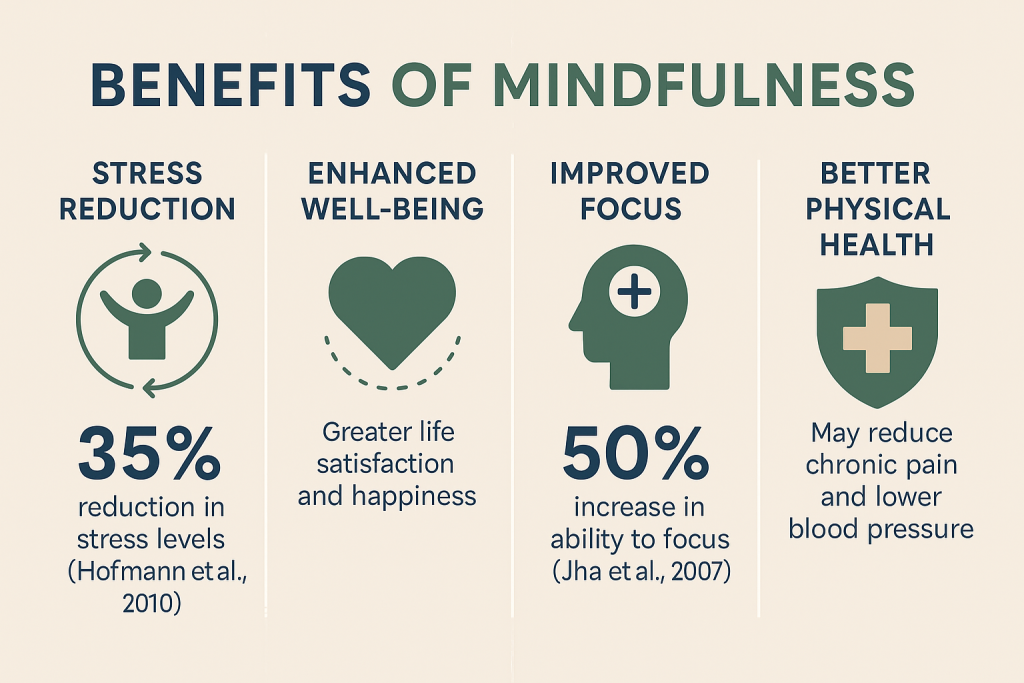
Mindfulness isn’t fluff—it’s evidence-based. A 2014 systematic review of 47 randomized trials in JAMA Internal Medicine found that mindfulness programs produced moderate improvements in anxiety, depression, and pain, with smaller but meaningful effects on stress and quality of life. Read it here: 2014 JAMA Internal Medicine systematic review of mindfulness programs.
Sleep matters too. In a 2015 randomized clinical trial of older adults with sleep disturbances, participants in a community mindfulness program had significantly better sleep quality and less daytime impairment than those in a sleep-hygiene education group. See the study: 2015 JAMA Internal Medicine trial on mindfulness and sleep quality.
What this means for your challenge: short, consistent sessions—like 5–15 minutes of breath or body awareness—can move the needle on mood, stress, and sleep, especially when paired with a kind, “begin again” attitude.
FAQs
What’s an ideal daily practice time for the 30-Day Mindfulness Challenge?
Start with 5 minutes and work up to 10–15 if it feels good. Consistency beats length—daily tiny reps build the habit.
What happens if I skip a day (or a few)?
No problem. Begin again at the next cue. Mindfulness includes self-compassion; perfection isn’t the goal—presence is.
Is it okay to practice without the traditional cross-legged pose?
Absolutely. Try a chair, standing practice, or mindful walking. The best posture is the one you can sustain with a relaxed, alert spine.
Is mindfulness the same as meditation?
Mindfulness is a quality of attention (present, non-judgmental). Meditation is a structured way to train it. You’ll use both here—plus mindful moments in everyday life.
How will I know it’s working?
Common signs: you pause before reacting, focus a bit longer, fall asleep easier, or feel slightly kinder to yourself and others. Small shifts add up.
Conclusion & Gentle Next Step
If you do nothing else, take three mindful breaths today and notice one good thing before bed. That’s the challenge in miniature: attention + kindness + repetition. After 30 days, keep your favorite two practices as a daily self-care routine, and if you want more structure, explore this Self-Care Reset plan to sustain your momentum.
You’ve got this. Begin again—right now.